Ocho Rios Dive Sites
The Ocho Rios sites sit within a 15-minute boat ride of the cruise pier. All three are accessible to Open Water certified divers; The Pinnacles requires comfort at 100+ feet.
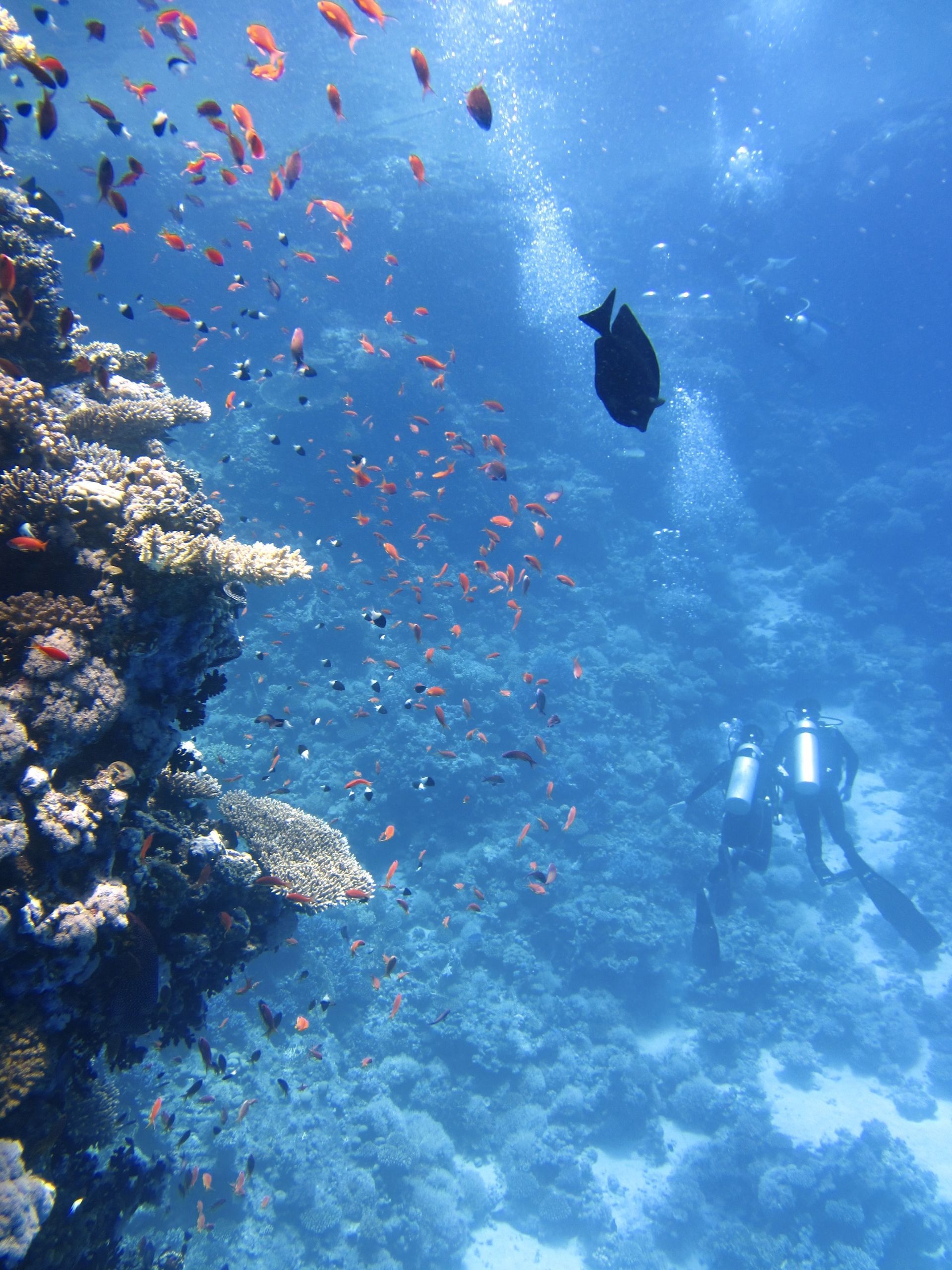
The Pinnacles is the headline site — a coral pinnacle rising from 120 feet to around 40 feet, encrusted with sponges and soft corals, with eagle rays and amberjacks circling reliably in the water column. The deep base holds black coral and wire coral at depth. On a good day this dive has the feeling of a blue-water drift with a fixed reference point; the pinnacle appears out of the blue as you descend and the scale of it takes a moment to register.
Devil's Reef is a wall dive starting at around 50 feet and dropping to 130 feet, running east to west with sponge gardens on every surface. Barracuda patrol the upper wall consistently. The site is suitable for any certified diver and is what most operators use for second dives after The Pinnacles.
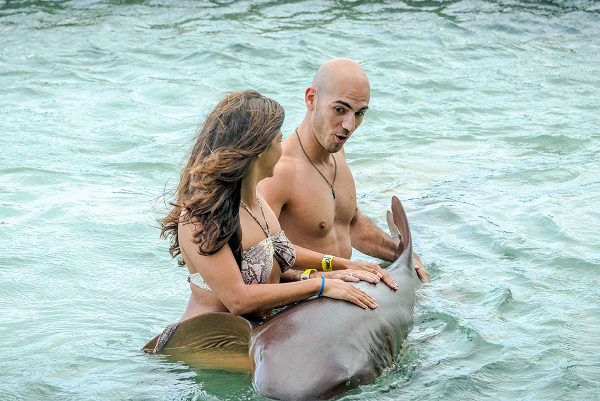
Shark's Cave is a swimthrough at 110 feet with nurse sharks reliably resting on the sand floor. The name is accurate — you will see sharks. Nurse sharks are non-aggressive and accustomed to divers, but the site is a deep second dive and should be booked with a divemaster who knows it. The swimthrough is wide enough for two divers abreast.
Negril Dive Sites
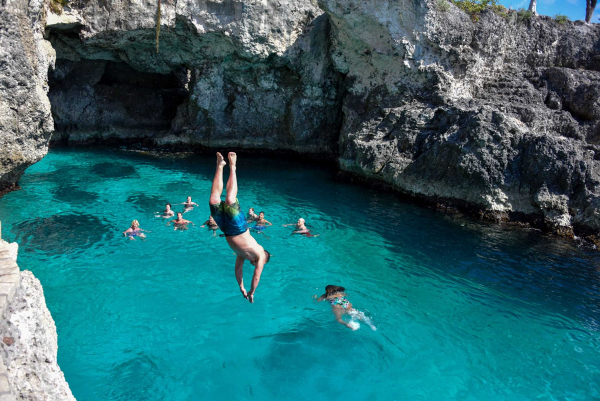
The West End cliffs that define Negril's character above water continue below the surface as a wall, starting at 20 to 30 feet and dropping sharply to 100+ feet. The reef here is consistently described by visiting divers as among the healthiest they've encountered in the Caribbean — the combination of protected status, relatively low boat traffic, and the absence of a large commercial fishing fleet in the immediate area has allowed the coral to recover from bleaching events in ways that reefs elsewhere have not managed.
The Throne Room is a coral arch at 60 feet with barrel sponges the size of bathtubs on either side. The arch frames a view of open water that makes for a genuinely arresting photograph. Sea turtles are seen here on most dives — Negril has a higher density of turtle sightings than any other dive area on the island.
The Caves of Negril is a series of swimthroughs at 40 to 80 feet, none requiring technical cave diving training. The series is best done with a local guide who knows the sequence of passages; done correctly it reads as one long flowing dive through a series of chambers. Certified divers with 20+ dives should handle it comfortably.
Montego Bay Marine Park
The Montego Bay Marine Park protects 15 square kilometres of reef and seagrass bed between the airport and the Rose Hall area. The restriction on anchoring within the park boundary has produced measurably better coral coverage than was present 15 years ago; local operators will tell you this without being asked.
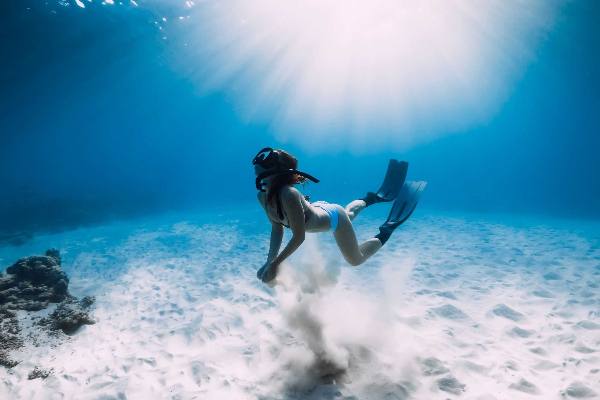
Airport Wall is a long, shallow reef running parallel to the airport runway — the coral starts at 15 feet, which makes it accessible to snorkellers as well as divers. The site gets good afternoon light. It is not dramatic, but as an introductory dive for new Open Water divers or for working on buoyancy and photography it is one of the better sites on the north coast.
Widowmaker's Cave is named honestly — a narrow swimthrough at 85 feet with a tight exit point that requires controlled buoyancy. Experienced divers who take it seriously will have a good time. Divers who treat it as casual won't. Book it with a divemaster who has made this call about dozens of visiting divers; they will make the call about you accurately and without offending you.
Basket Reef is a coral formation site at 40 to 70 feet, named for the basket sponges that dominate the structure. There is a cleaning station here — rays and turtles queue for the cleaning fish in a behaviour that is both scientifically interesting and visually arresting. The station is active most mornings. If you dive Basket Reef in the afternoon and miss it, you've still had a good dive; you just didn't get the bonus.
Conditions at a Glance
- Water temperature: 78–82°F year-round — 3mm wetsuit is comfortable
- Visibility: 50–80ft good days, 30–50ft poor — peaks March–June and October–November
- No significant surge on the north coast — suitable for photography
- Avoid August–September if visibility is your priority (hurricane season)
- Bring your certification card — PADI operators require it for equipment hire
For Non-Certified Divers
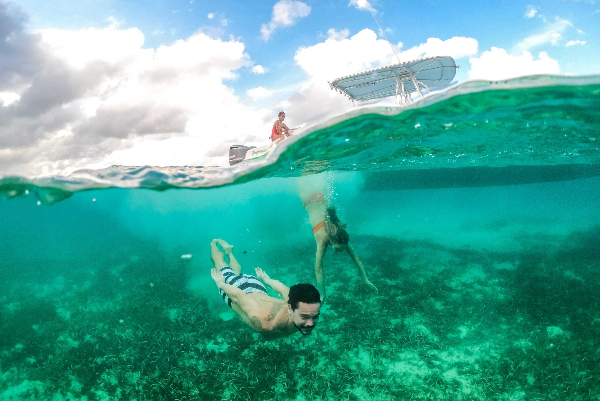
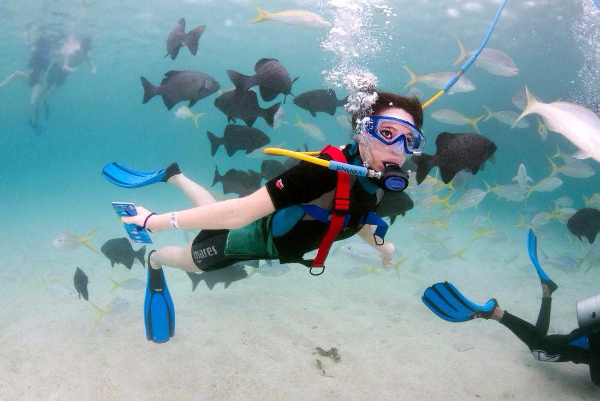
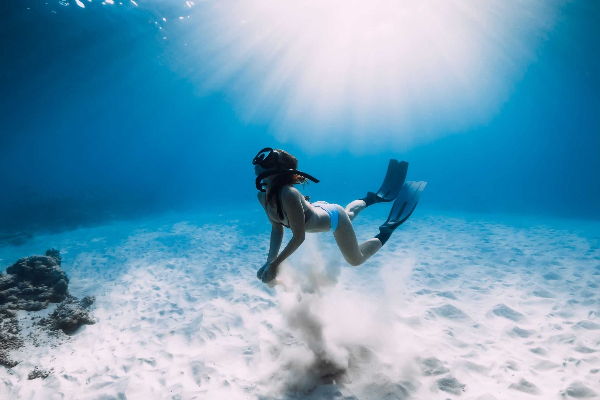
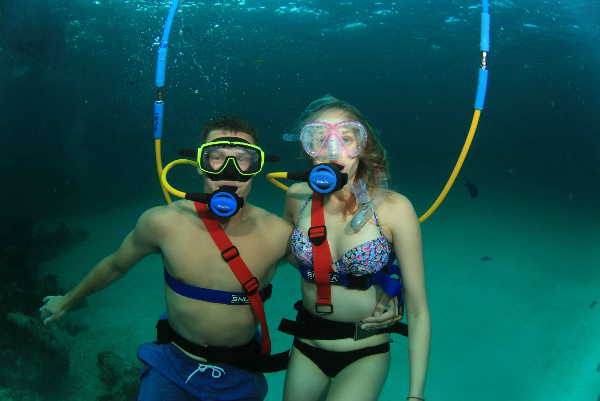
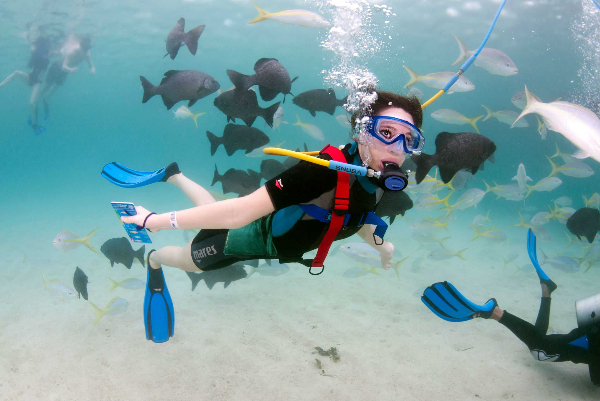
Most operators at all three locations offer PADI Discover Scuba Diving sessions — a 30-minute pool or shallow-water briefing followed by a guided dive to a maximum of 40 feet. No certification required, no medical form beyond a basic health questionnaire. Cost is approximately $90 USD including equipment. The dive is guided throughout and the divemaster stays within arm's reach.
If you have time and inclination, a full PADI Open Water certification can be completed in Jamaica over 3 to 4 days — two days of confined water and theory, two days of four open water dives. Several operators offer this as a standalone package. The north coast's calm conditions make it a better place to learn than many destinations where students contend with surge and reduced visibility.
What to Book
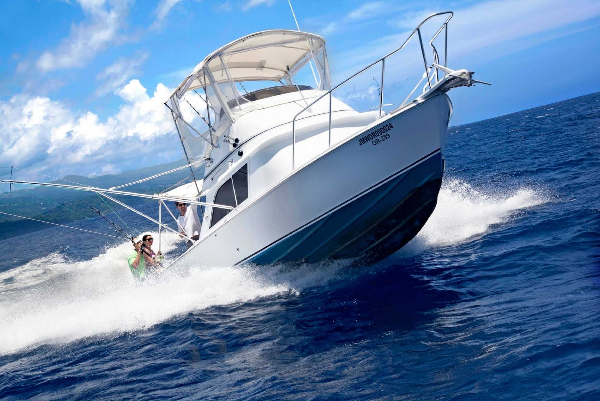
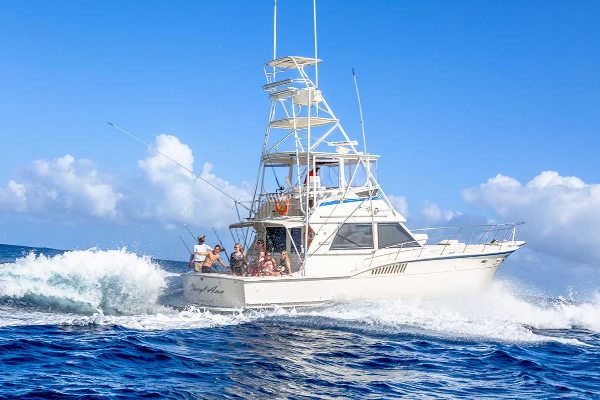
Jamaica Tours works with PADI-certified dive operators at Ocho Rios, Negril, and Montego Bay. All equipment hire is included in the quoted price; bring your own mask if fit and comfort matter to you. Multi-day dive packages start from approximately $65 per dive when booked in advance. Discover Scuba sessions are $90. Full Open Water certification packages are quoted on request.
Tell us your certification level, number of logged dives, and any site preferences when you book — the operators we work with will match the itinerary to your experience level, not to a generic package.