The Dancehall Split
In the 1980s, as reggae was being canonised internationally, Jamaican music moved on. Dancehall emerged as a faster, more electronic, more confrontational evolution — digital riddims (backing tracks) replacing live bands, DJs (vocalists, in Jamaican terminology) toasting over the riddim rather than singing, lyrics that addressed the immediate realities of Kingston street life with a directness that reggae's international version had moved away from.
The first generation of dancehall artists — Yellowman, Shabba Ranks, Beenie Man — established the template in the 1980s and early 1990s. By the mid-1990s, dancehall was the dominant popular music of the Caribbean and a significant influence on hip-hop production in the United States. Buju Banton's career spans the transition from the rougher early dancehall to something more musically sophisticated. Vybz Kartel, despite a life sentence handed down in 2014, remains one of the most streamed Jamaican artists of the last two decades.
The distinction matters for visitors: the tourist experience of Jamaica gives you reggae. Hotel playlists, beach bars, curated cultural shows — reggae. The local experience — what Jamaicans play in their cars, what is on the sound system at any neighbourhood party, what you'll hear from a shop on any high street in Kingston — is dancehall. Both are valid. Only one is accurately representing 2026.
Reggae Sumfest
Held every July in Montego Bay since 1993, Reggae Sumfest is the island's flagship music festival and one of the Caribbean's largest annual events. The format spans a week, with the opening nights typically featuring emerging Jamaican acts and the final two nights bringing international headliners alongside Jamaica's biggest names. A dedicated dancehall night — usually Friday — is where the local audience is largest and the energy is highest. There is also a beach stage that runs throughout the festival week, accessible with a day pass.
Hotels in Montego Bay sell out by February for July dates. Tickets go on sale in December. If you are planning a July Jamaica trip and you are not building it around Sumfest, you are leaving the most significant cultural event on the island off your itinerary. The official site goes live in late November each year.
Where to Find Authentic Music
- Dub Club, Red Hills Road, Kingston — monthly roots reggae, formal venue, tourists welcome
- Reggae Sumfest, Montego Bay, every July — book hotels by February, tickets on sale December
- Roadside rum bars — ask locally what sound system events are on this week
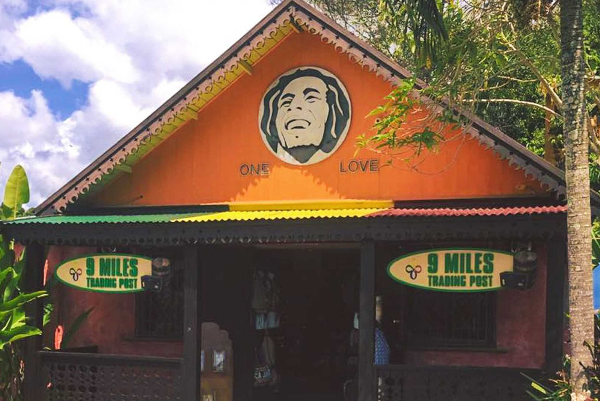
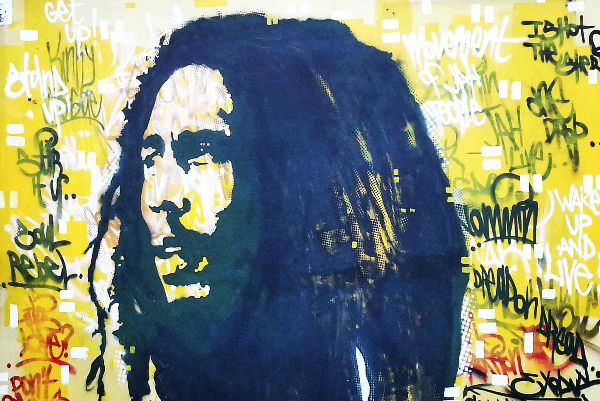
- Nine Mile, St. Ann — Bob Marley's birthplace, half-day from Ocho Rios, the music has context here
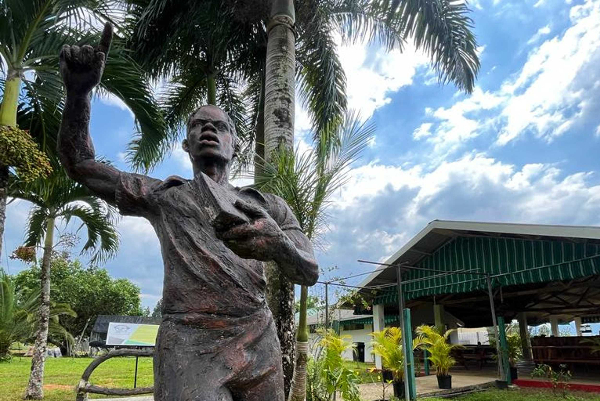
- 56 Hope Road, Kingston — Bob Marley Museum and Tuff Gong Studios, open to tours
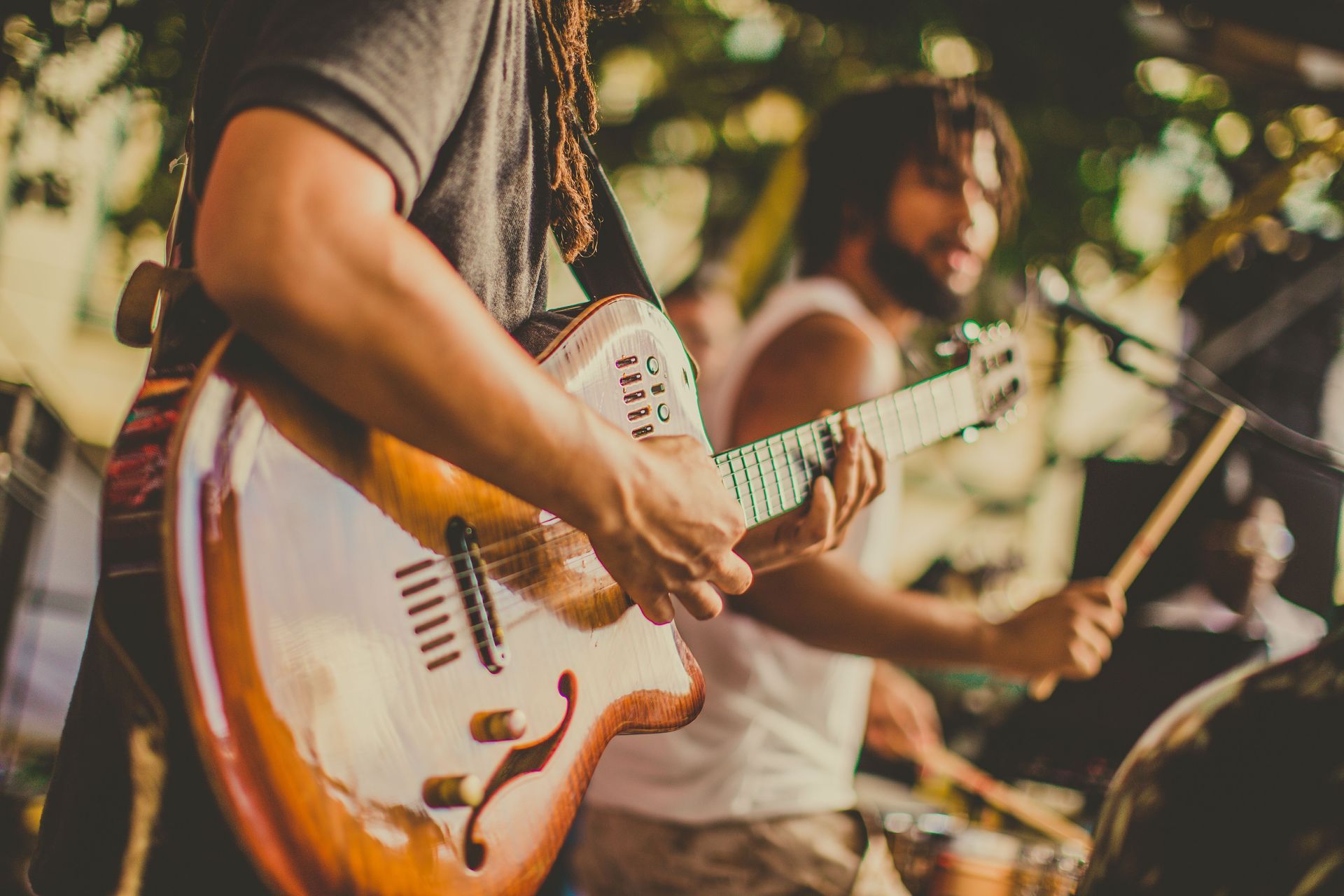
- Gap Café, Guava Ridge — Blue Mountain altitude, live acoustic music on weekend evenings
Tuff Gong Studios
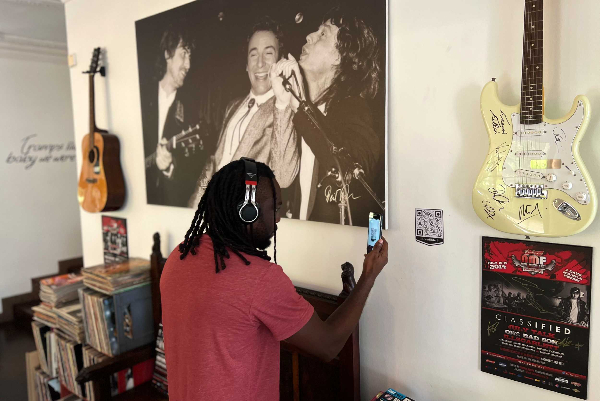
Tuff Gong was the record label Bob Marley founded in 1965 — one of the first Jamaican artist-owned labels, named for Marley's street nickname in Trench Town. The studio at 56 Hope Road is still operational. Active recording takes place there; Jamaican artists across genres use it. The Bob Marley Museum tour includes access to the studio building, and the museum's archive — photographs, instruments, documents, master tapes — is the most comprehensive official Marley collection anywhere in the world.
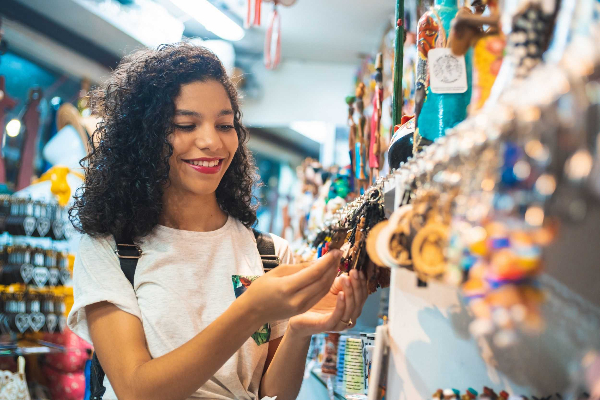
The gift shop is worth your time and your money. The official merchandise here is produced under licence from the Marley family foundation. Whatever your views on music tourism, the experience of standing in the courtyard at 56 Hope Road, knowing what happened in this building, is substantively different from the abstract appreciation of the music on a streaming platform.
Where to Find Real Music in Jamaica
Not the hotel. The hotel sound system plays to tourists, and the selection reflects what hotel management believes tourists want — which is the Bob Marley greatest hits that you already know. Real Jamaican music happens in more specific places.
The Dub Club on Red Hills Road in Kingston is a formal venue with a genuine roots reggae focus — monthly events, respectful crowd, tourists are welcome and treated as guests. It is not a tourist attraction. It is a music venue that happens to let you in.
Roadside rum bars throughout the island will have sound system events on weekends — these are neighbourhood dances, often informal, often free entry, and the music reflects what Jamaicans actually listen to. Ask at your hotel or ask a local driver what is happening this week. You will be told accurately and without judgment about where to go.
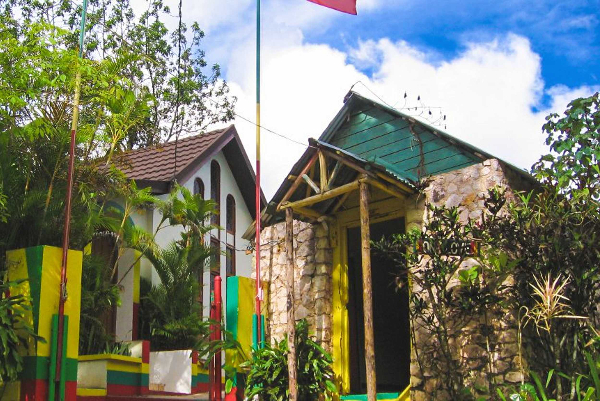
Nine Mile in St. Ann parish, about 45 minutes inland from Ocho Rios, is the village where Bob Marley was born and is buried. The mausoleum is there, on the hillside above the house where he grew up. The experience of hearing the music in that place — in the actual physical context of where it came from — is different from hearing it anywhere else. It takes half a day. It is worth it.
Cultural Itineraries
Jamaica Tours cultural itineraries for music-focused visitors include the Bob Marley Museum at 56 Hope Road, the Nine Mile birthplace visit, context around Tuff Gong and Studio One, and Reggae Sumfest packages for July visitors. If you're visiting outside July and want to experience live music, we can include the Dub Club or any current sound system event happening during your dates. Tell us what you want to understand about Jamaican music and we'll build the itinerary around that, not around what's easiest to package.