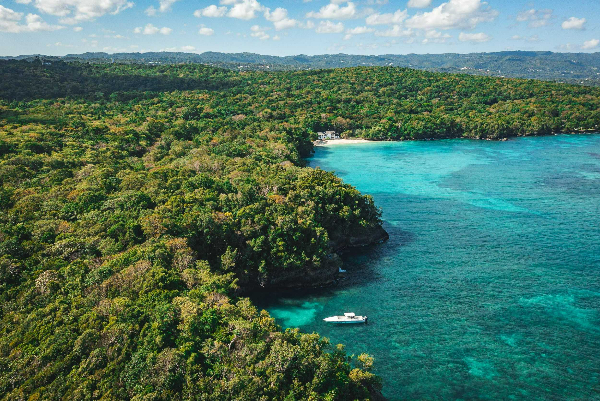
The Blue Lagoon sits roughly 9 kilometres east of Port Antonio town, accessible via the A4 coastal road. Despite its fame — amplified by Brooke Shields' 1980 film of the same name — it remains genuinely off the beaten path compared to the resort towns of Montego Bay or Negril. Getting there is part of the experience.
From Kingston, the drive takes approximately two hours via the Gordon Town Road through the Blue Mountains — a spectacular route in its own right. From Montego Bay, budget four hours or consider an overnight stay in Port Antonio. The town itself is one of Jamaica's most authentic, with a relaxed character that feels a world away from the all-inclusive resort belt.
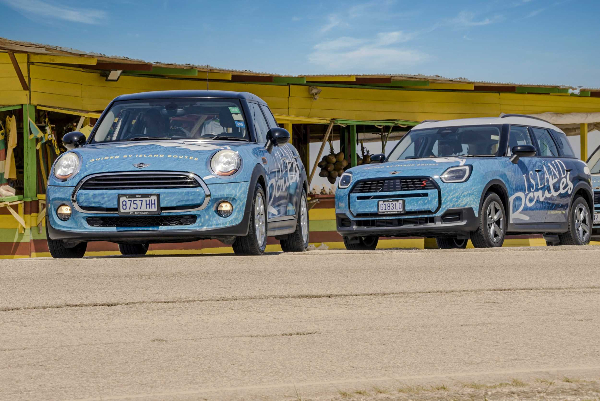
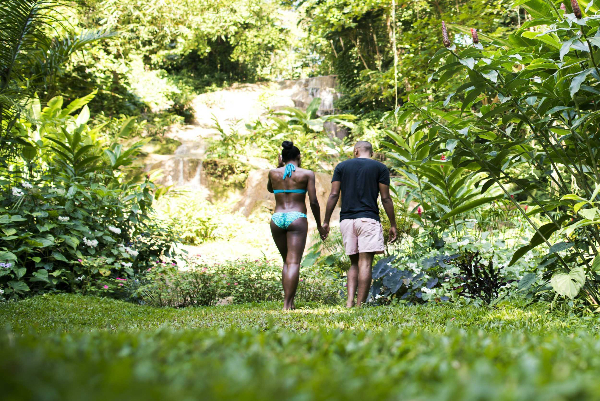
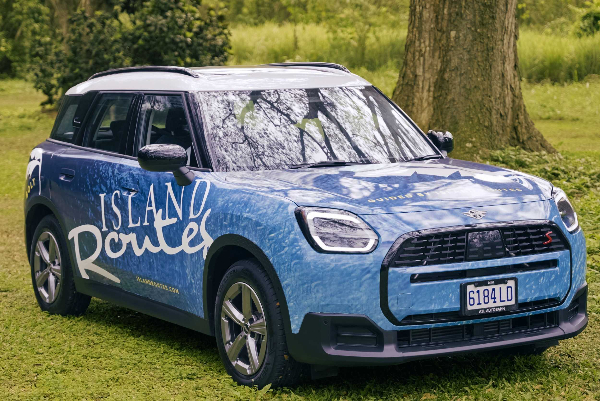
Route taxis run along the main road and can drop you near the lagoon entrance, but hiring a private driver or renting a car gives you freedom — especially if you want to explore the surrounding area. The entrance fee is modest (around USD $5–8) and goes toward upkeep of the site. Once you pass through, a short walk through tropical vegetation brings you to the water's edge, and the first glimpse of the lagoon stops almost everyone in their tracks.
What Makes the Blue Lagoon So Special
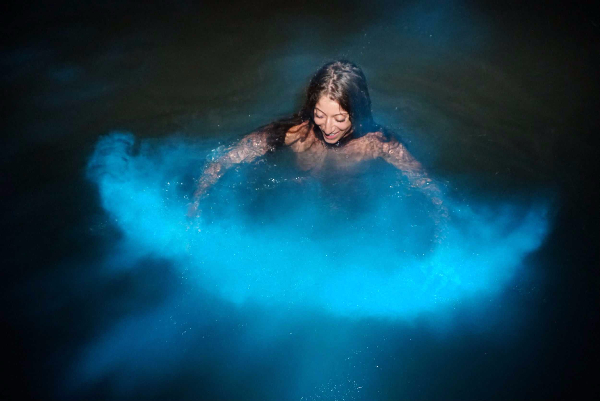
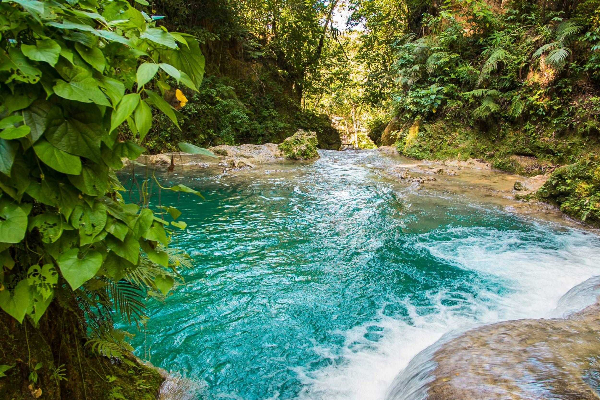
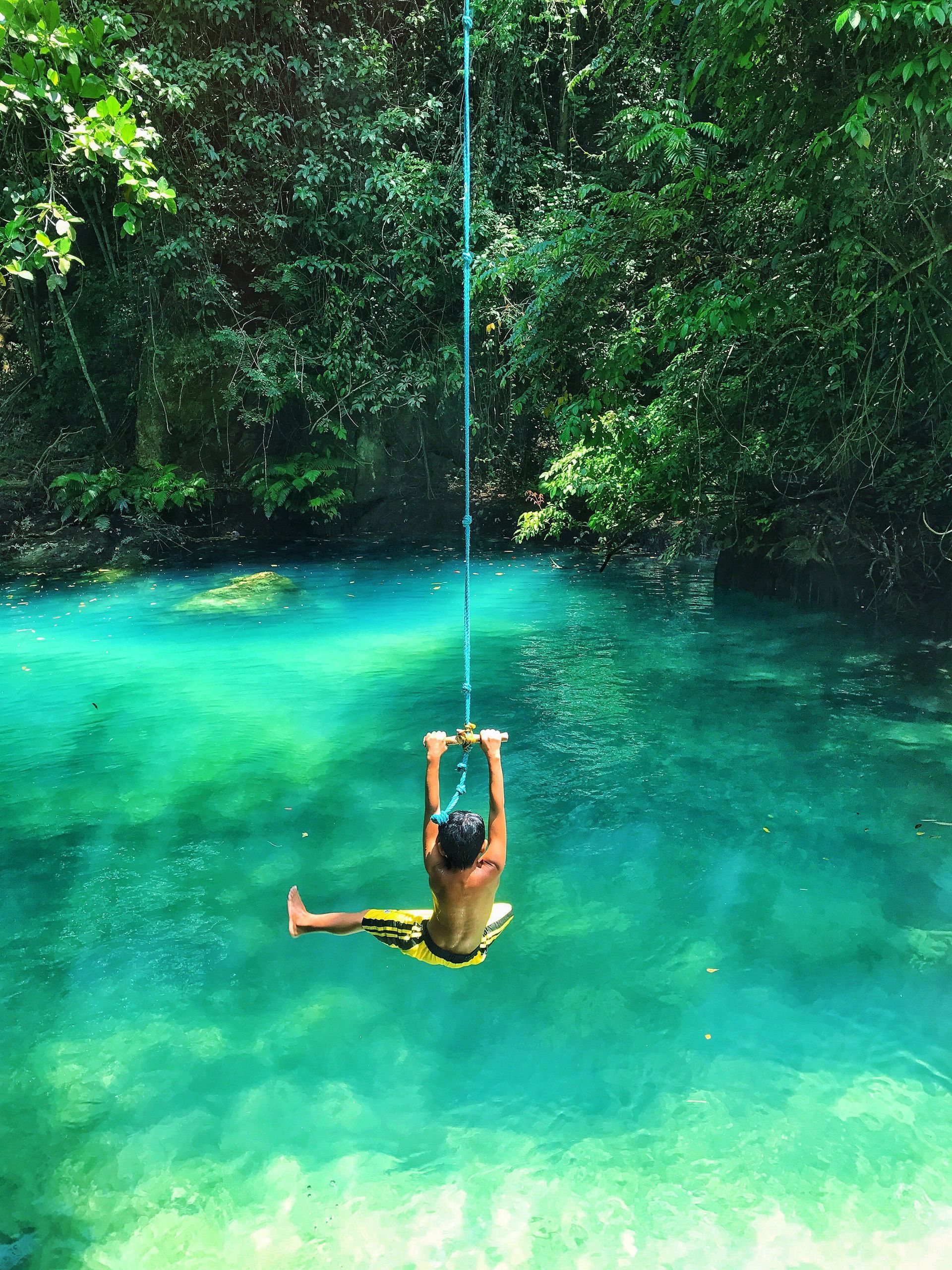
The lagoon's extraordinary colour — that swirling confluence of indigo, cobalt, and turquoise — comes from a meeting of two worlds. The pool is approximately 55 metres (180 feet) deep at its centre, which is remarkable for a tidal feature this size. At depth, cold freshwater springs feed into the pool continuously. Above, warm Caribbean seawater flows in through an underwater opening connected to the ocean. The result is a phenomenon called thermal stratification: distinct layers of water at different temperatures that can be felt quite dramatically as you swim downward.
The name "Blue Hole" comes from locals who have known this place for generations. Fishermen used it, children swam here long before any tourist ever arrived, and stories about the lagoon's bottomless depth have been circulating in Port Antonio households for over a hundred years. The colour changes through the day as the angle of sunlight shifts — from deep inky blue at dawn to almost electric cyan at midday, with green tints emerging near the vegetation-draped limestone walls.
The lagoon is also calm. Unlike the open Caribbean, there's no current, no wave action, and virtually no noise beyond birdsong and the soft lapping of water. On mornings before the tourists arrive, the surface is mirror-flat, and the surrounding jungle reflects perfectly onto it. It is, in the most literal sense, one of the most beautiful places on earth.
Best Time to Visit
The Blue Lagoon is accessible year-round, but timing your visit can make an enormous difference to the experience. The absolute optimal window is between 7am and 9am. At this hour the light is low and golden, the crowds are minimal, and the colour contrast in the water is at its most dramatic. Arriving early also means you'll often share the lagoon with just a handful of other visitors — or none at all.
By 10am, tour buses from the north coast resorts begin to arrive. By midday, the site can feel quite busy, especially during peak season (December through April). If you're staying in Port Antonio overnight — which we strongly recommend — you can walk or take a short taxi to the lagoon before breakfast and return before the first wave of day-trippers shows up.
Seasonally, Jamaica's northeast coast receives more rainfall than the resort towns, which actually keeps it lush and green but can mean occasional heavy showers. The rainy season runs roughly from May to November, but rain tends to fall in short bursts and the lagoon is beautiful in any weather. A light shower while you're floating in that warm water is not an unpleasant experience.
What to Bring
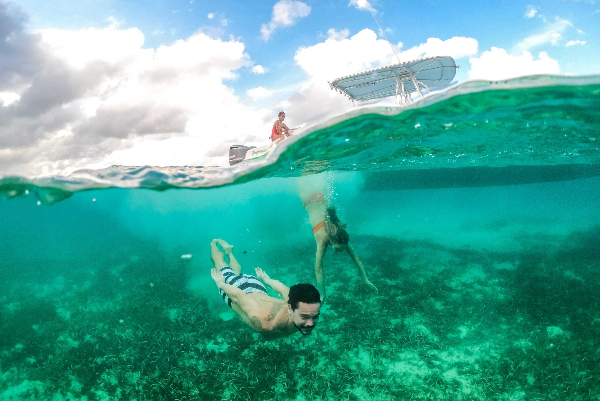
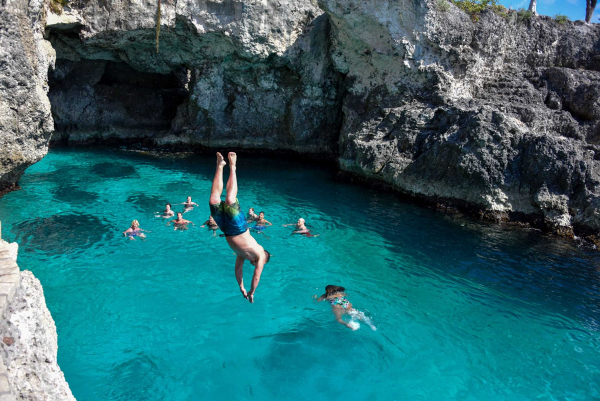
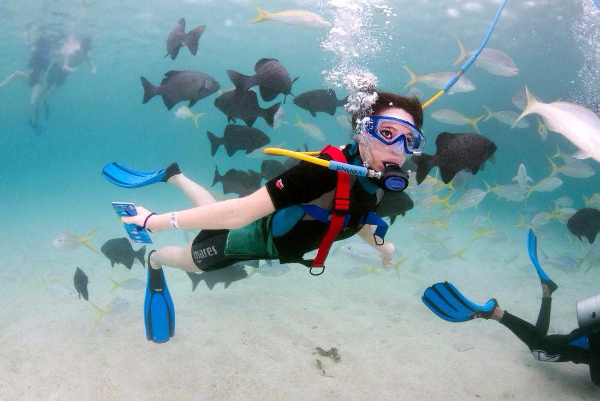
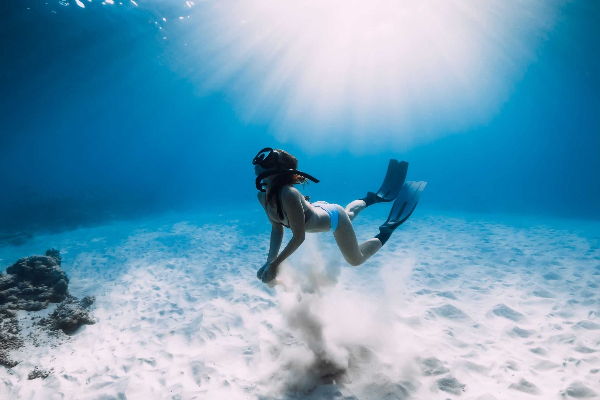
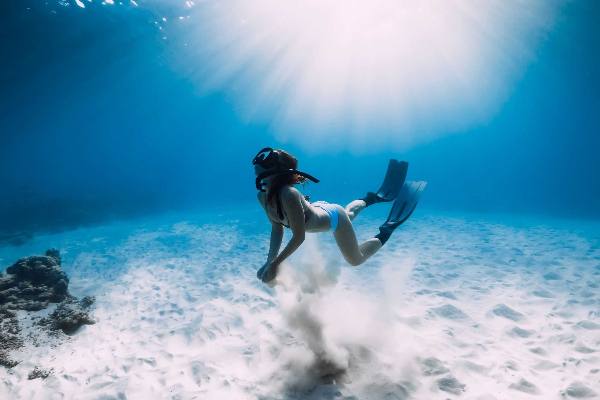
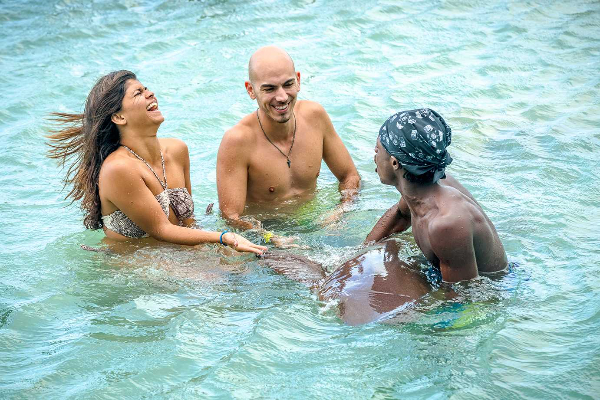
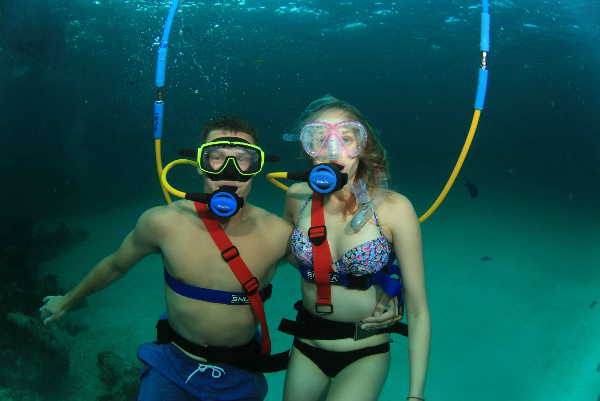
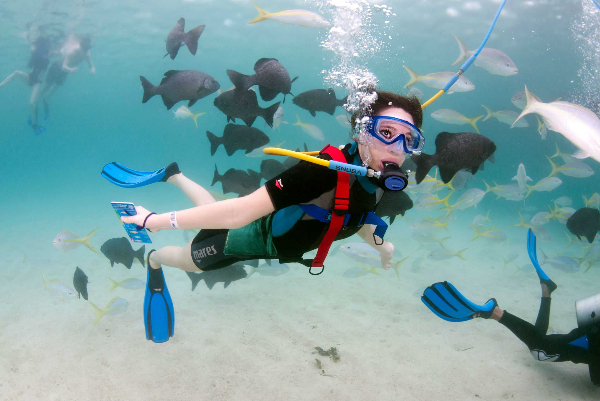
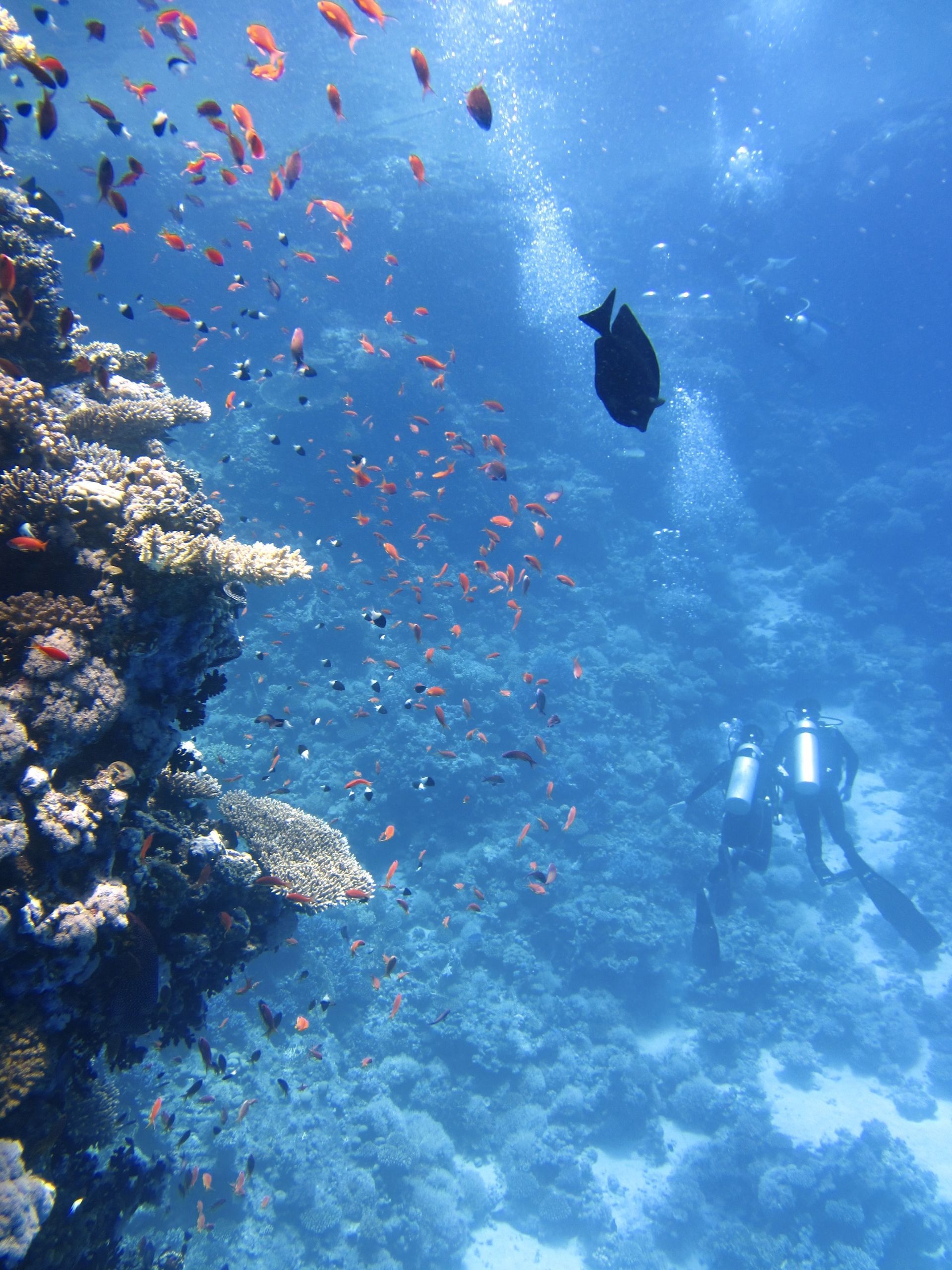
The lagoon is perfect for swimming, snorkelling, and simply floating. The water is warm, clear, and free of the strong currents that make open-water swimming unpredictable. Here's what to pack:
- A snorkel and mask — the shallow edges hold coral formations and small tropical fish
- Water shoes — the entry points have some rocky areas
- Waterproof sunscreen (reef-safe if possible)
- A dry bag for your phone and camera
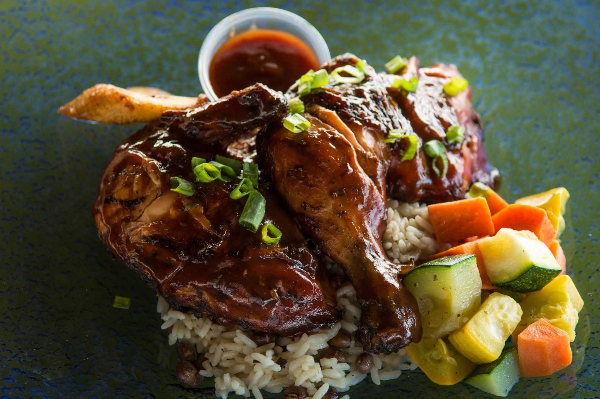
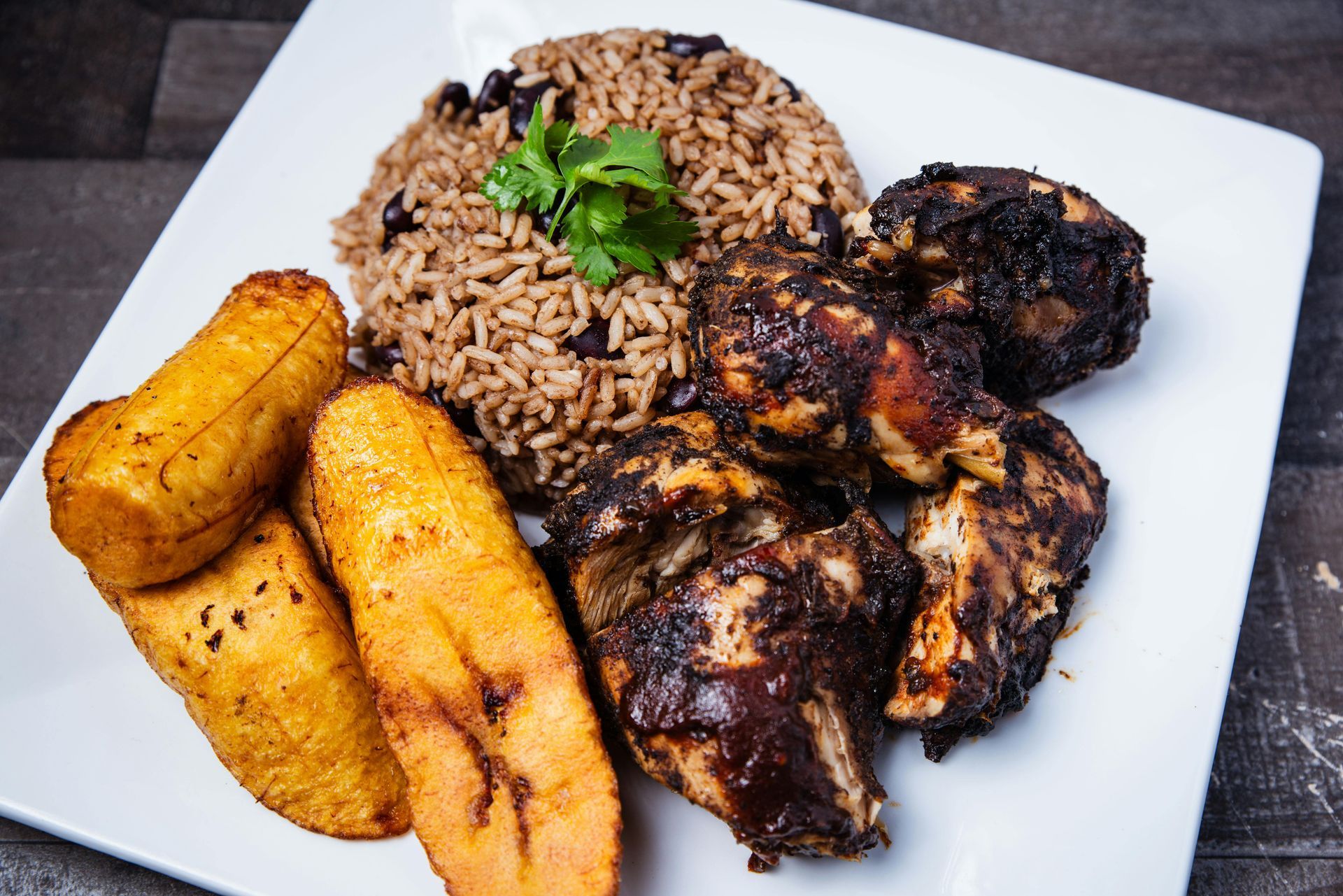
- Cash for the entrance fee and for the local vendors selling fresh coconut and jerk snacks nearby
- A change of clothes if you're heading onward to Port Antonio town
The Hidden Cove Only Locals Know
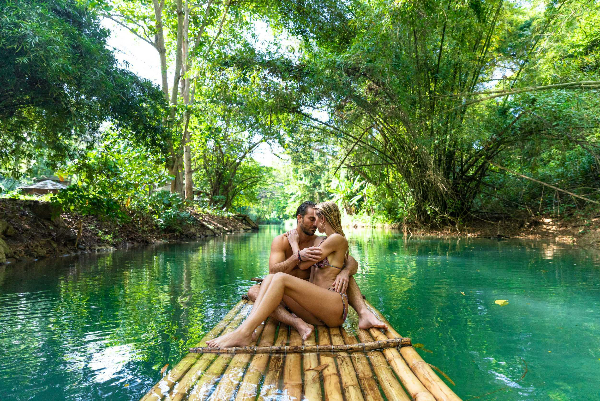
About 400 metres north of the main lagoon entrance, accessible via a narrow path that the signage does not advertise, is a smaller secondary cove connected to the same spring system. Local guides know it as the "back pool" or simply "the cove." The water here is even calmer, the overhanging vegetation more dramatic, and — crucially — it sees almost no tourist traffic even when the main lagoon is busy.
To find it, you'll need a local guide. This is not a criticism of your navigation skills — the path is deliberately obscure, partly because locals have chosen to keep it that way. A Port Antonio-based guide who knows the area will take you there as part of a morning excursion, and the experience of having that space to yourself — a natural pool of extraordinary blue water, surrounded by jungle, in absolute silence — is one that visitors consistently describe as the highlight of their entire Jamaica trip.
Nearby Attractions
Port Antonio and its surroundings are among the most rewarding areas of Jamaica for the traveller willing to do a little exploring. The Blue Lagoon alone justifies the trip, but these nearby attractions make it worth spending two or three nights in the area.
Frenchman's Cove is a short drive west of the lagoon and is widely considered one of the most beautiful small beaches in the Caribbean. A freshwater river meets the sea at the sand's edge, creating a natural pool of brackish water that's perfect for swimming. The beach is small, sheltered by forested headlands, and the combination of river and sea gives the water an unusual clarity.
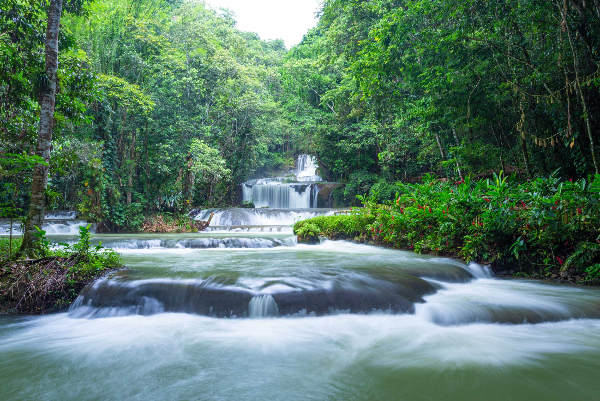
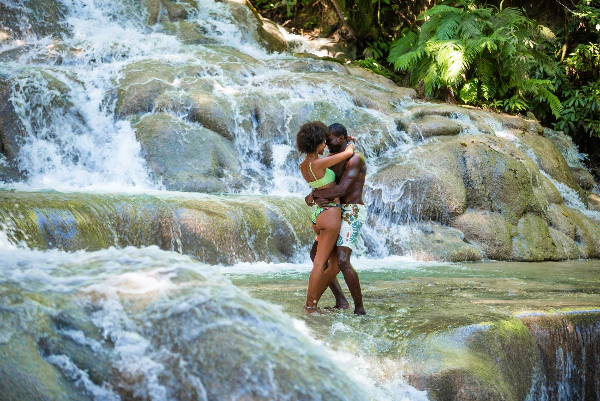
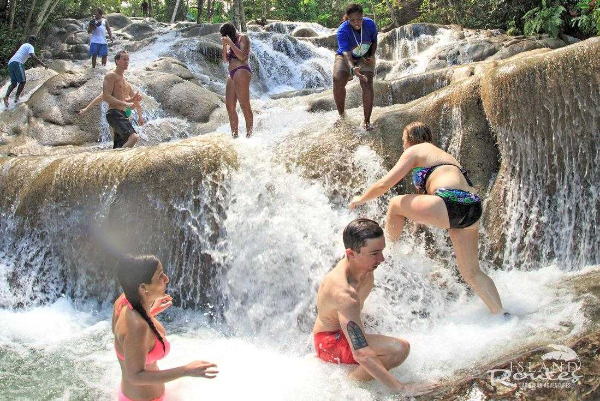
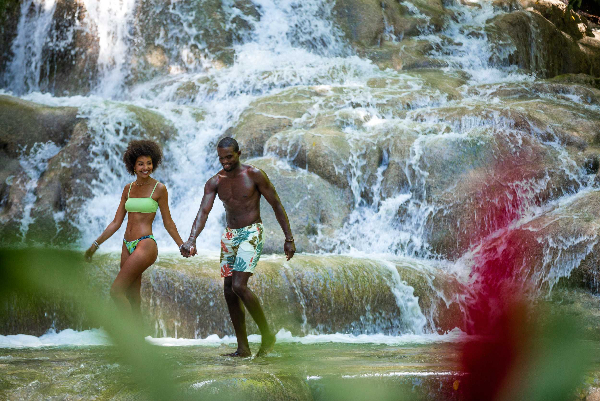
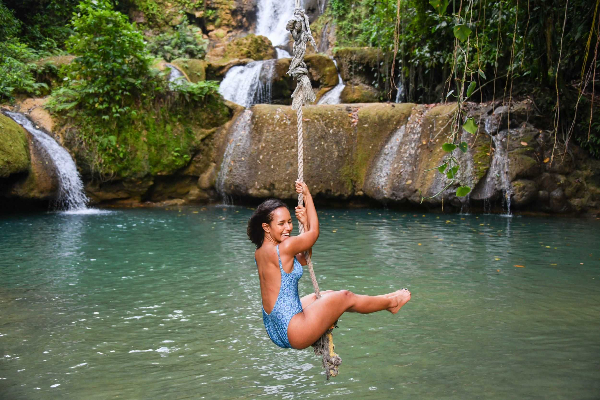
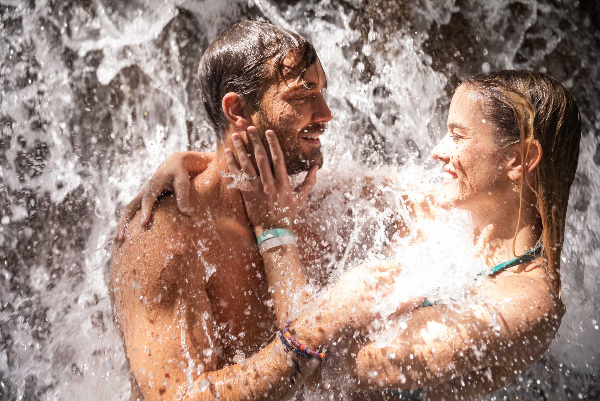
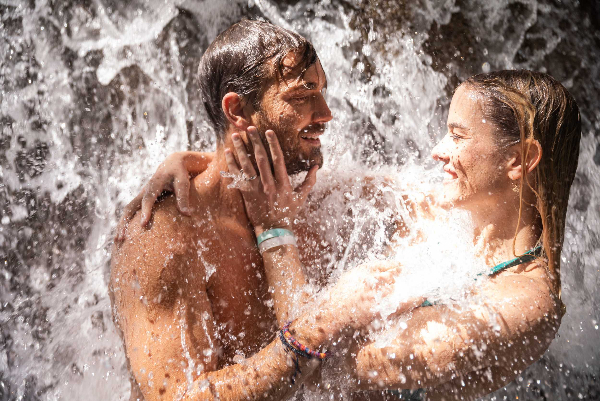
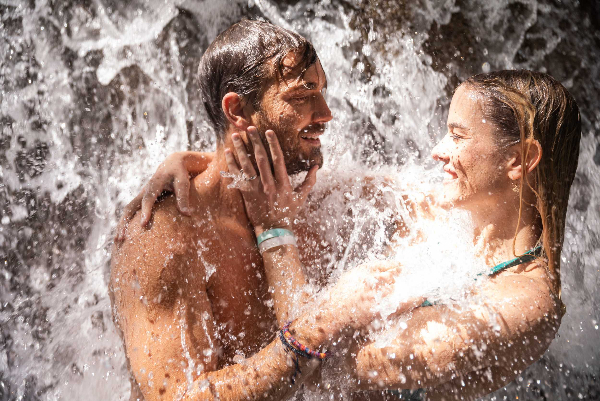
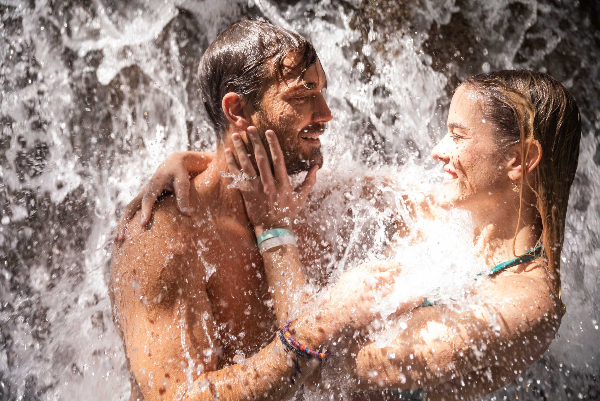
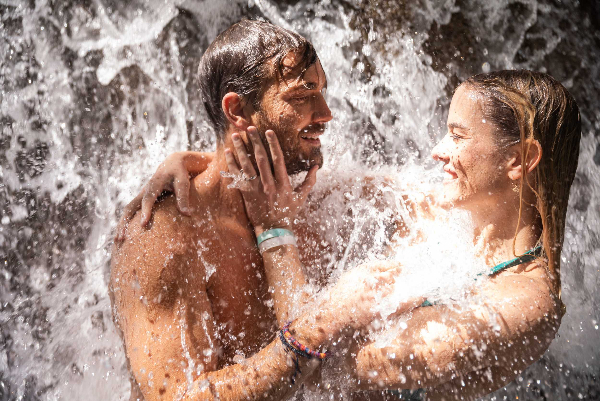
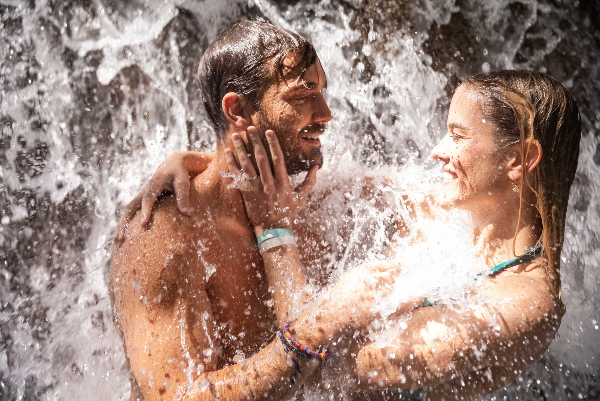
Reach Falls is approximately 32 kilometres southwest of Port Antonio, reached via a scenic drive through the Rio Grande Valley. A series of cascades tumbles down limestone terraces into natural pools, and local guides lead visitors through a network of swim-throughs and tunnels carved by the water over millennia.
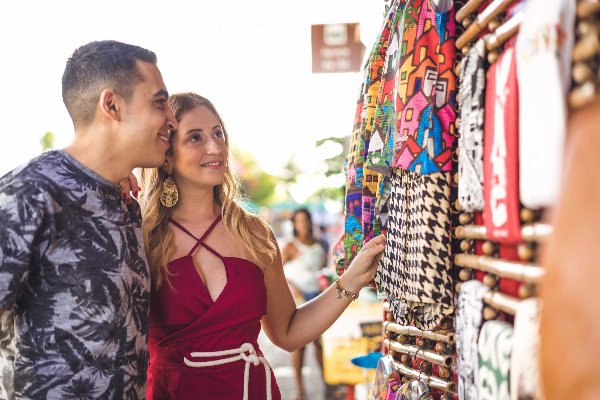
Port Antonio Market is the Thursday and Saturday market in town where local produce vendors sell everything from breadfruit and ackee to fresh fish just off the boats. It's a window into the authentic rhythms of northeastern Jamaica.
Combining with a Blue Mountains Trip
The Blue Lagoon and the Blue Mountains make a natural pair, forming what we call the "northeastern loop" — a three to four day itinerary that takes you through two of the island's most spectacular environments in sequence.
From Kingston, you can drive to the Blue Mountains via Gordon Town (allowing a night at one of the mountain lodges and an early morning summit hike), then descend the northern side through Buff Bay toward Port Antonio. The drive from Buff Bay to Port Antonio alone is stunning — the road hugs the coastline with the mountains rising steeply inland.
Arriving into Port Antonio after a night in the mountains and spending two nights exploring the lagoon, Frenchman's Cove, and Reach Falls gives you a Jamaica experience that is almost entirely removed from the resort-and-all-inclusive circuit — and infinitely richer for it.
The Blue Lagoon in Context
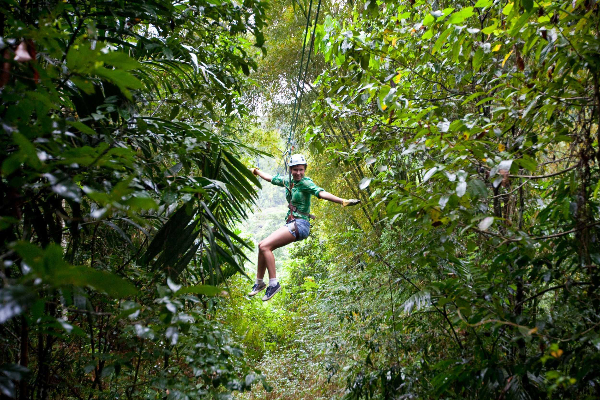
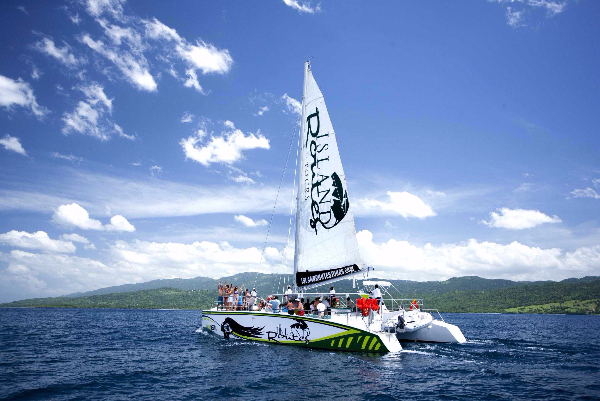
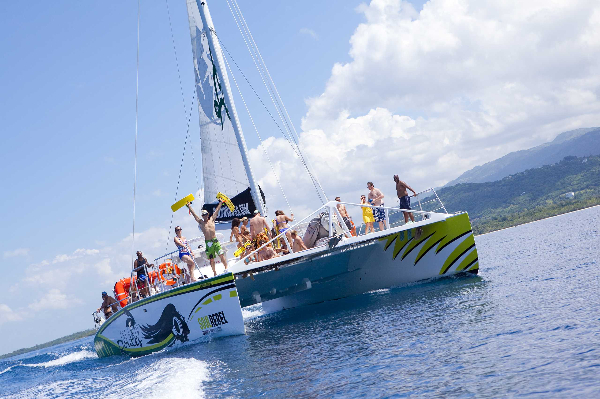
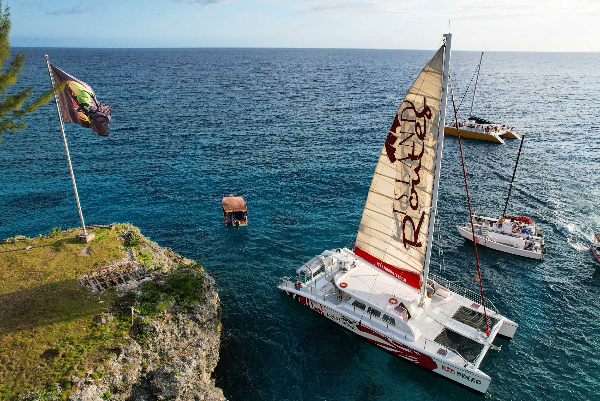
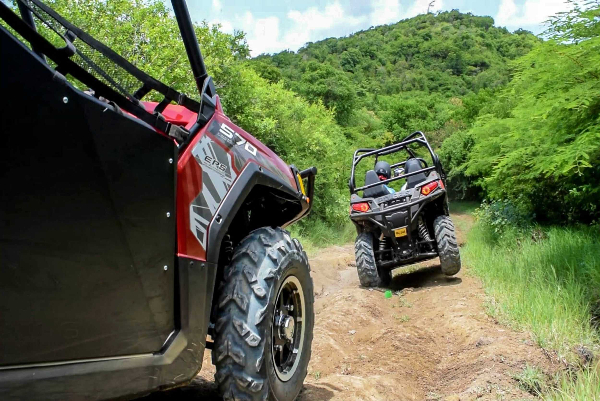
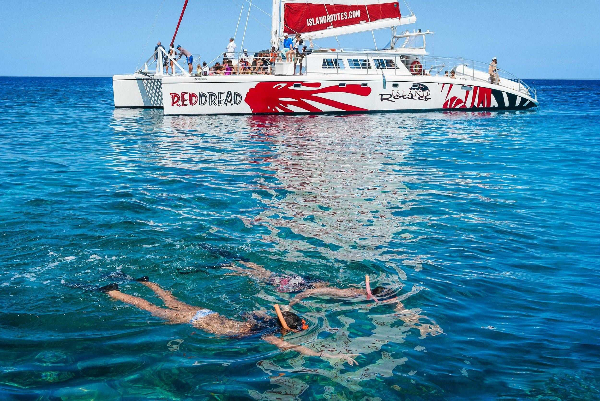
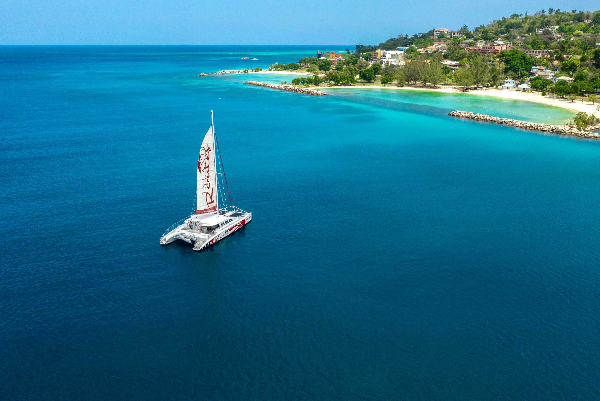
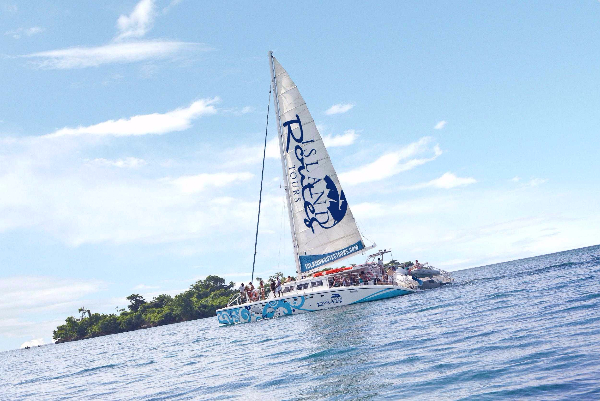
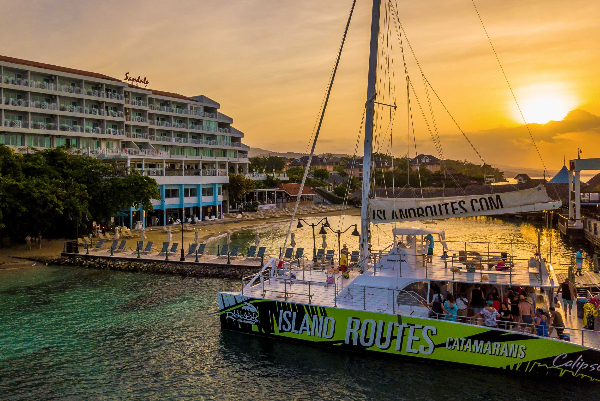
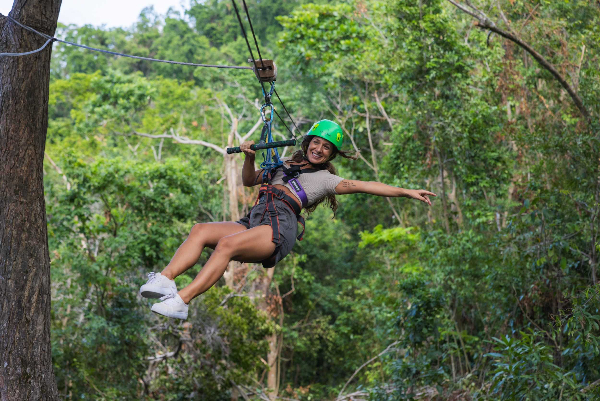
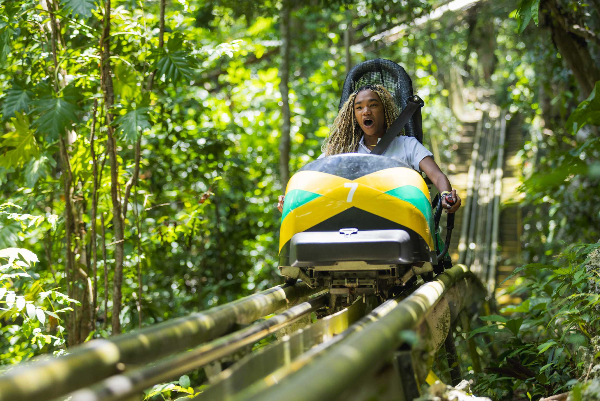
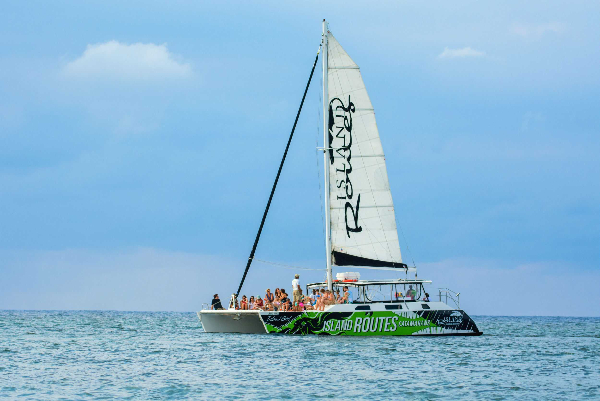
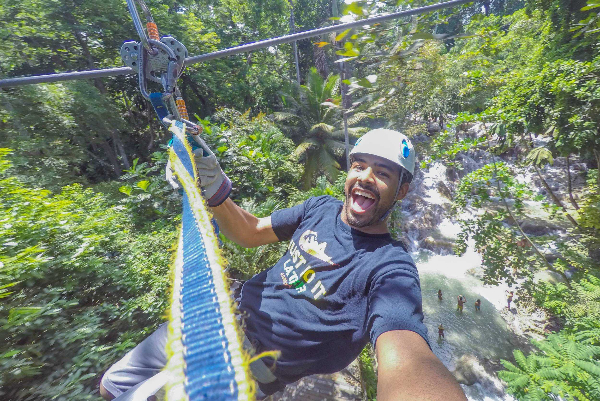
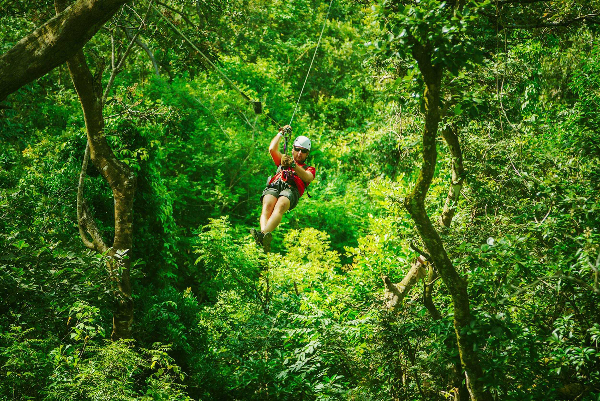
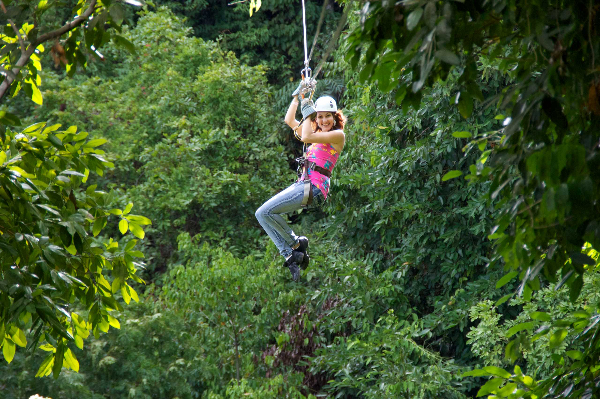
In a tourism landscape dominated by zip lines, catamaran parties, and beach clubs, the Blue Lagoon endures as one of the few Jamaican attractions where the experience itself is the point. There's nothing to do here except be in the water, look at the water, and let the extraordinary colour of it rearrange your expectations of what beautiful means.
Come early. Come with a local guide who knows where the back cove is. Stay at least two nights in Port Antonio. And when you're floating on your back in that 55-metre-deep pool of blue, watching the morning light move through the jungle canopy overhead, you'll understand why people who have been to the Blue Lagoon spend years trying to find the words to describe it — and mostly fail.