





















The Practical Set
Practical Answers, Not a Listicle — The Dozen Tips Most Travelers Actually Need
Most "Jamaica travel tips" articles run 30 to 50 items, half of them obvious ("pack sunscreen") and half of them filler ("learn a few words of Patois"). This page is the inverted shape: twelve tips, each a single canonical fact most travelers genuinely need before they land. Currency. Plug type. Driving side. Tipping rate. The camo-clothing law. Where to consume what. The list is short on purpose; the cards are short for the same reason.
Below the twelve tip cards, four longer practical-tip blocks pick up the items that genuinely need more than 30 words — what to pack in the way of documents, the Hurricane Melissa recovery status for South Coast resorts, the health-prep short list, and the connectivity playbook. The FAQ section handles the visa, safety, and best-time-to-visit questions.
Cultural Context
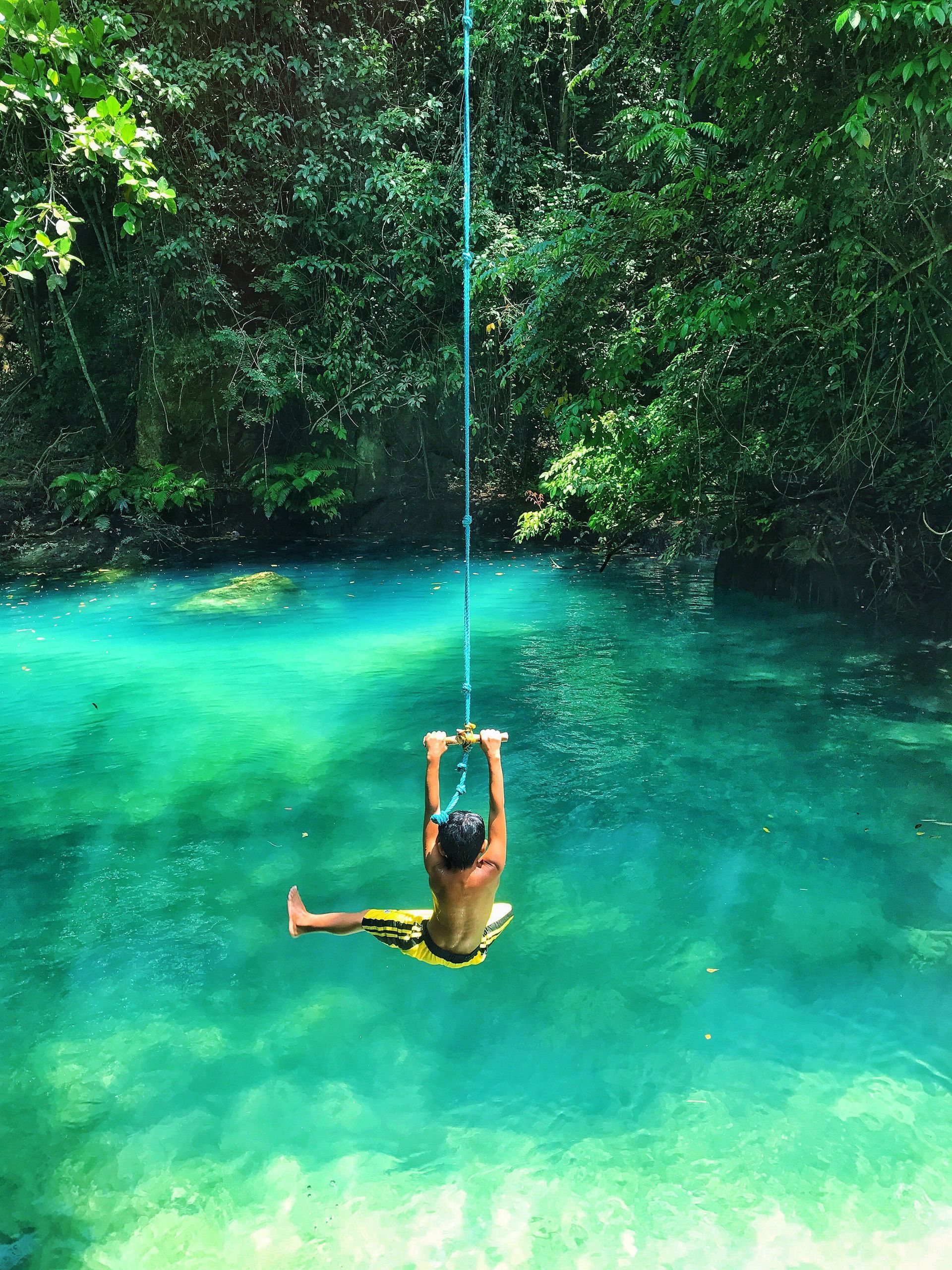
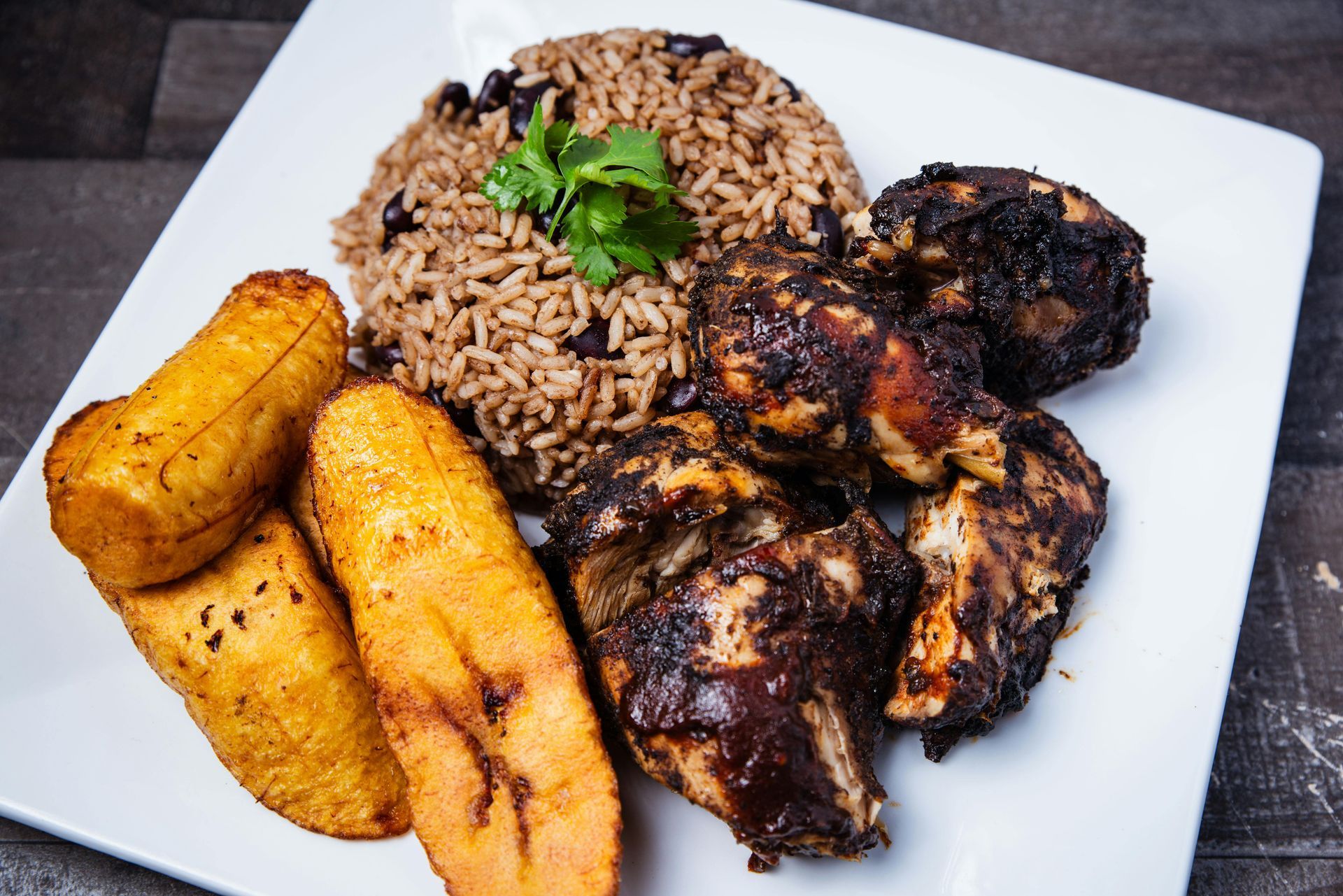
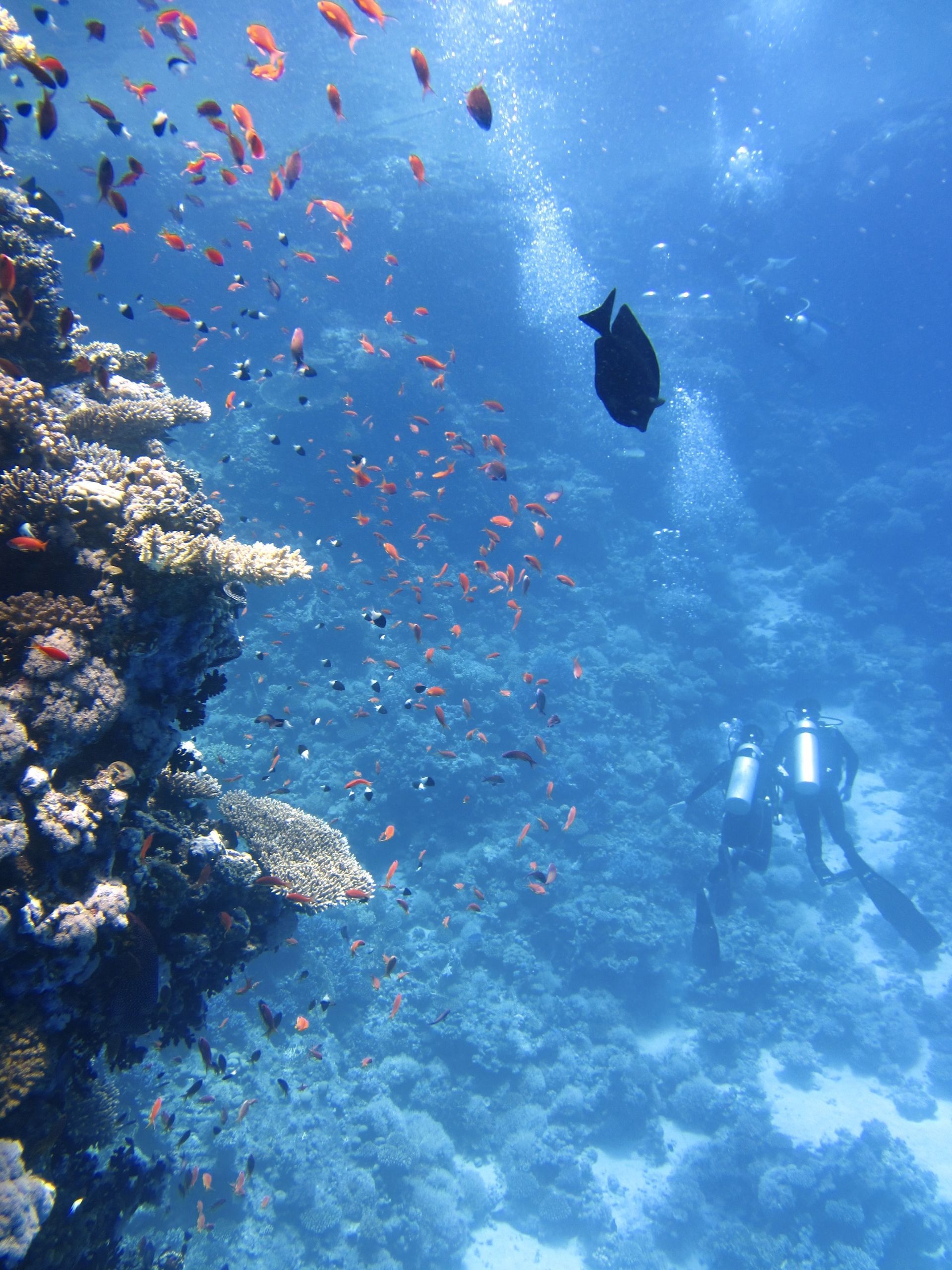
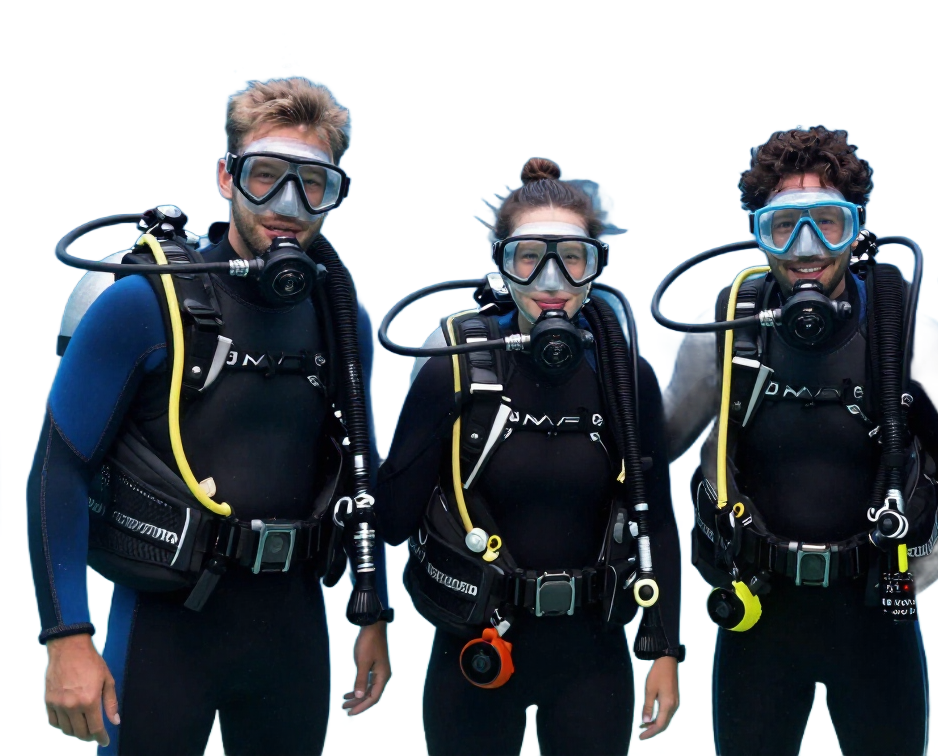
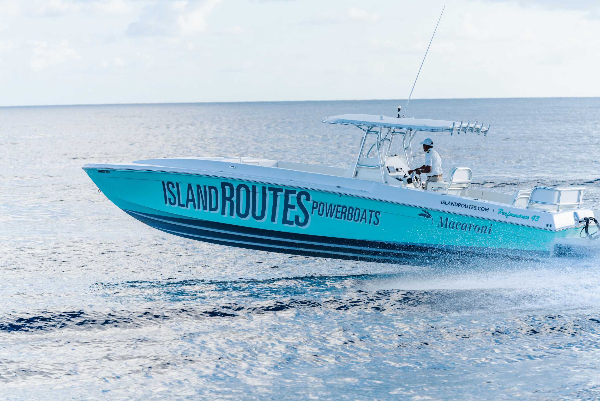
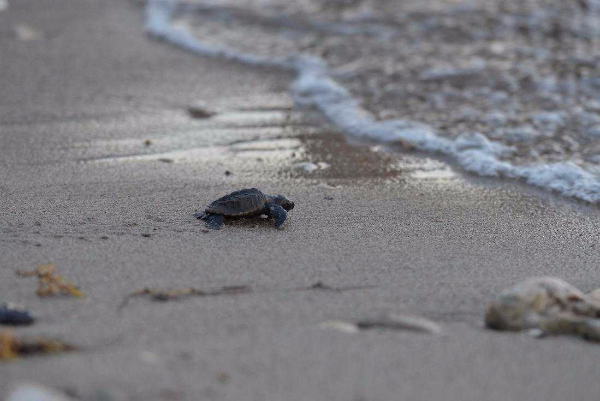
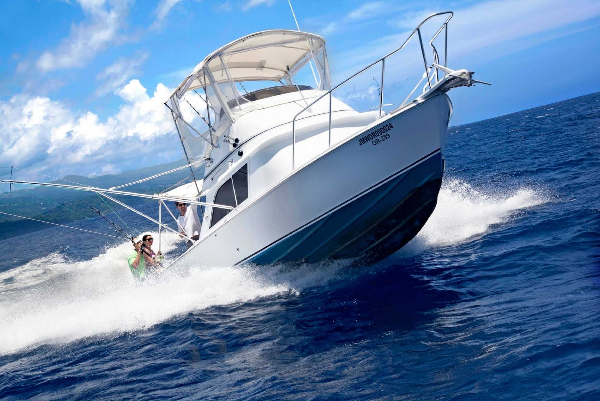
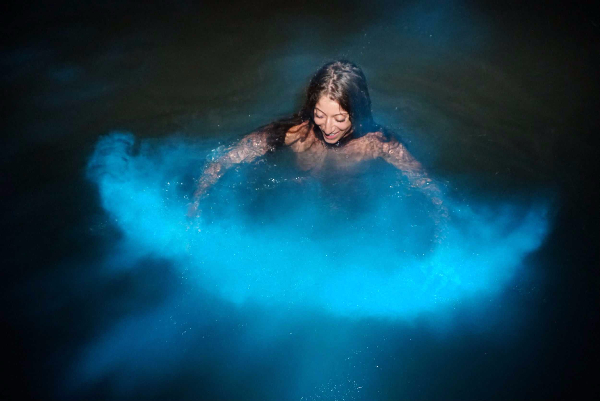
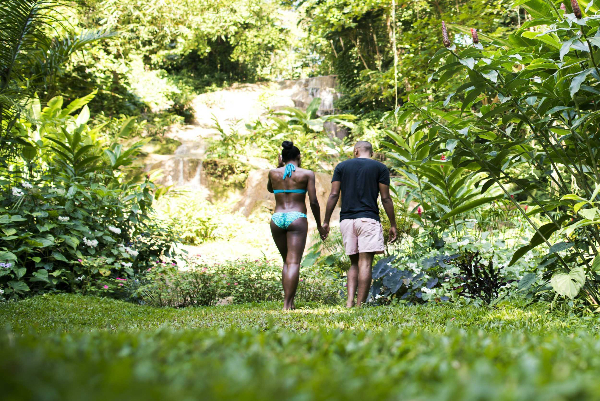
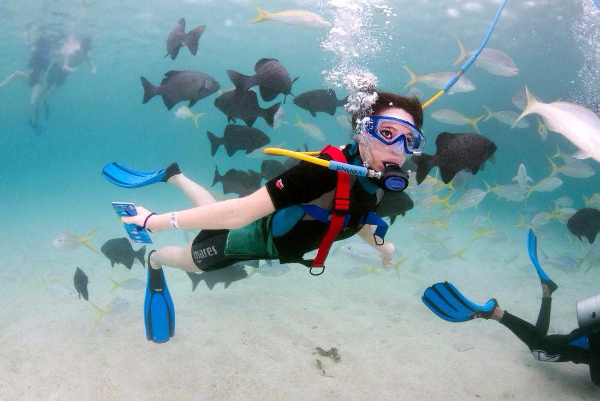
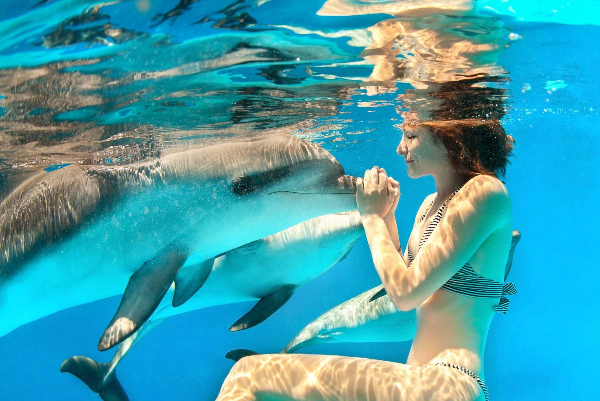
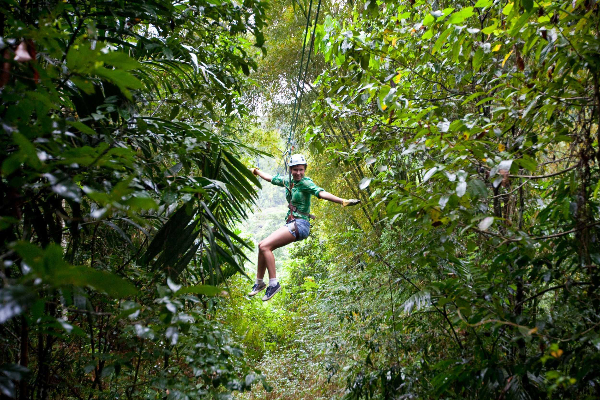
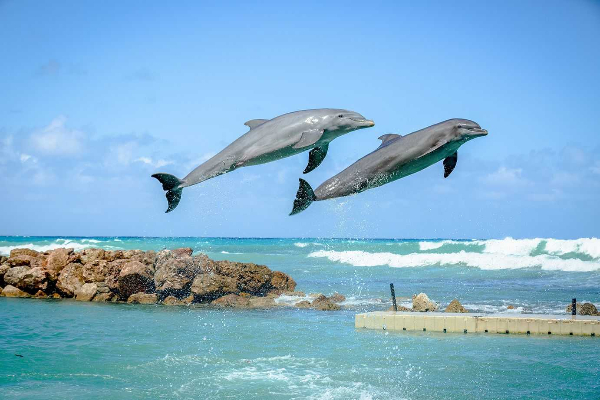
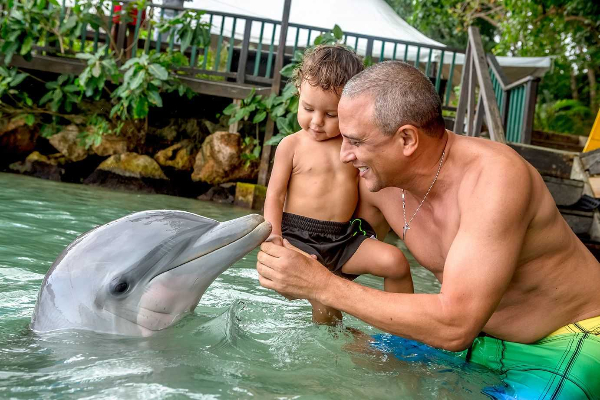
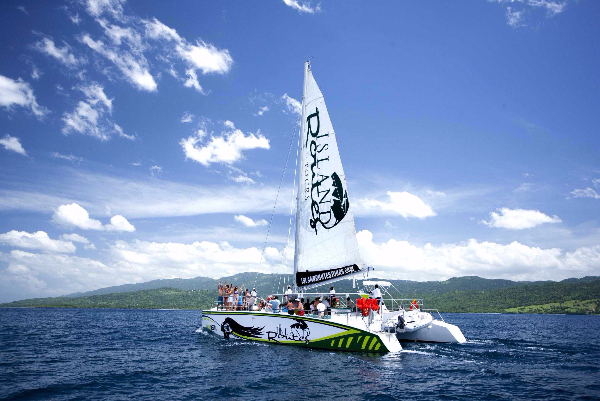
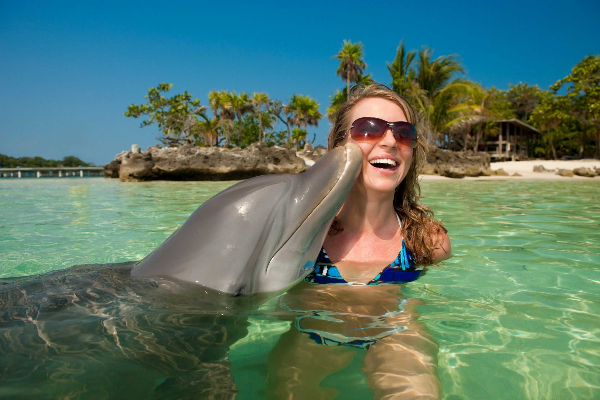
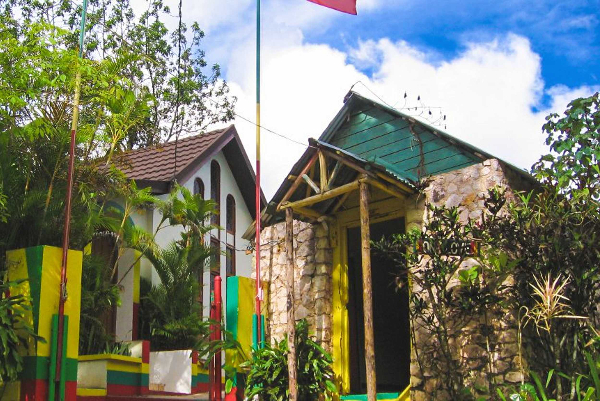
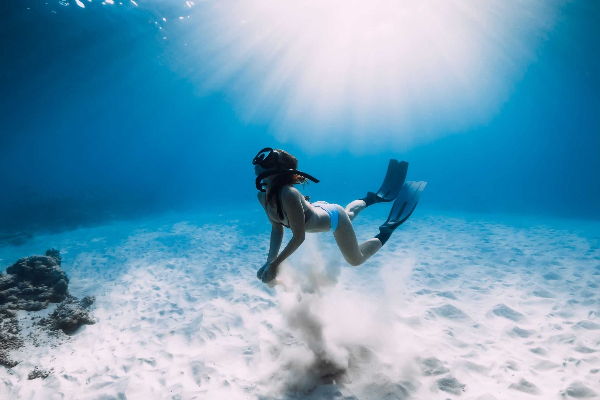
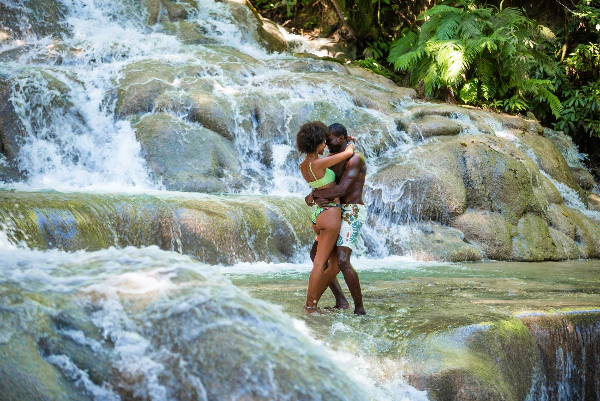
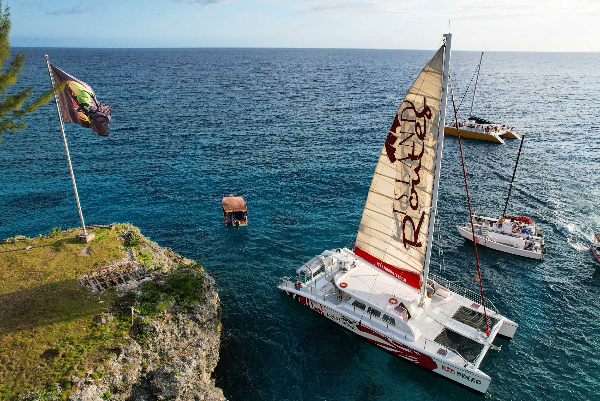
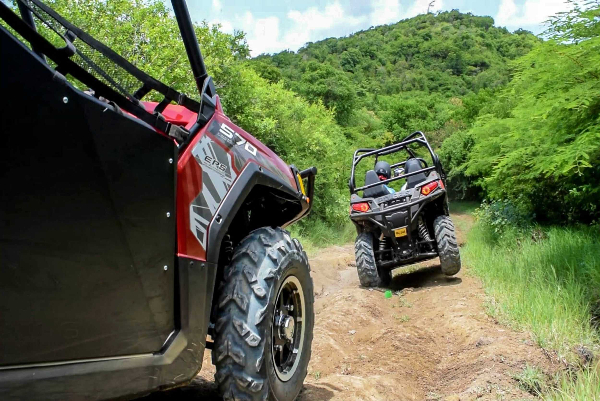
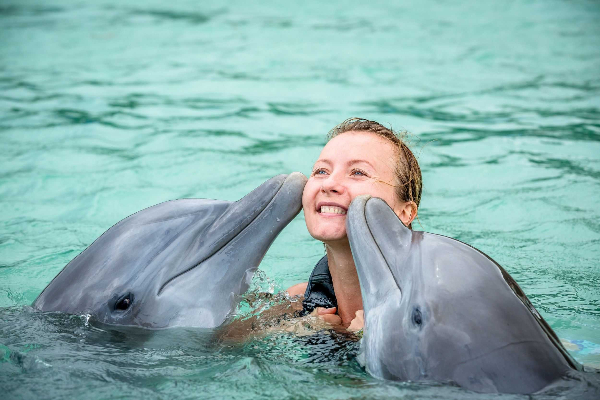
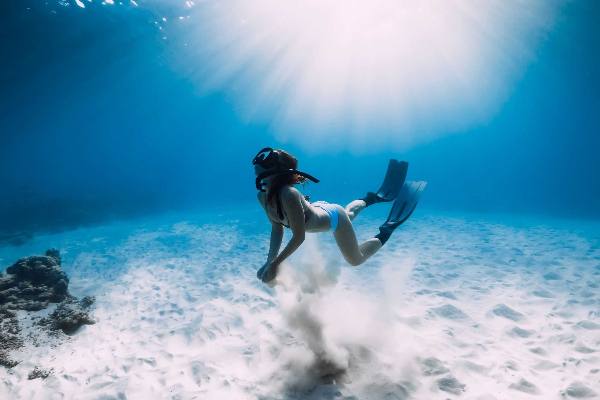
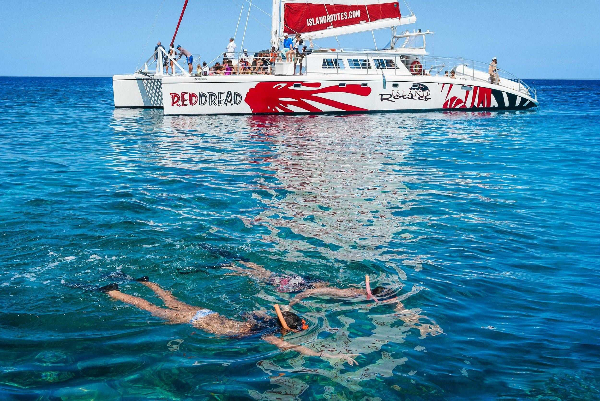
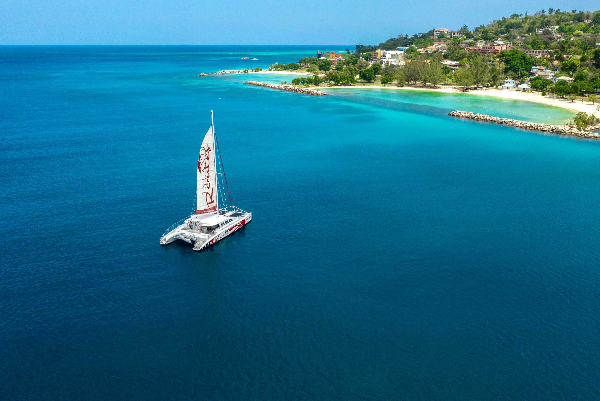
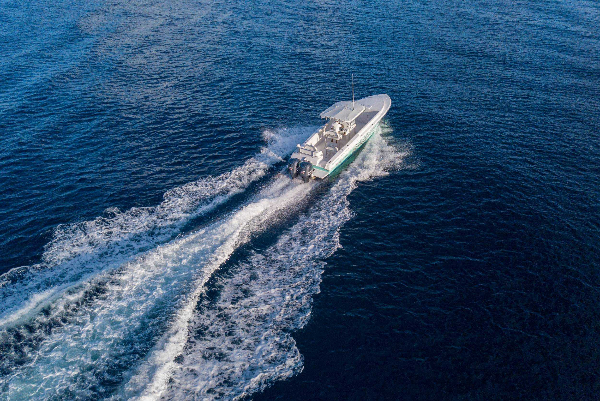
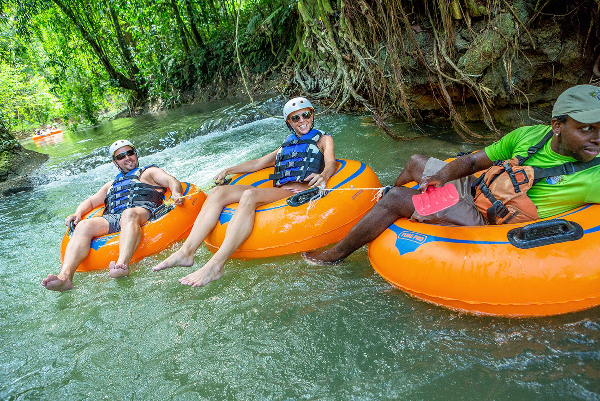
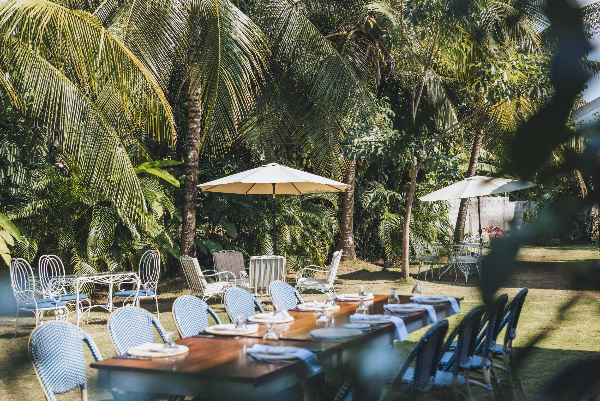
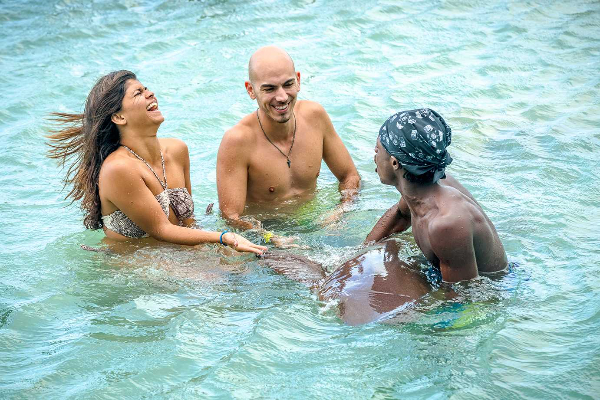
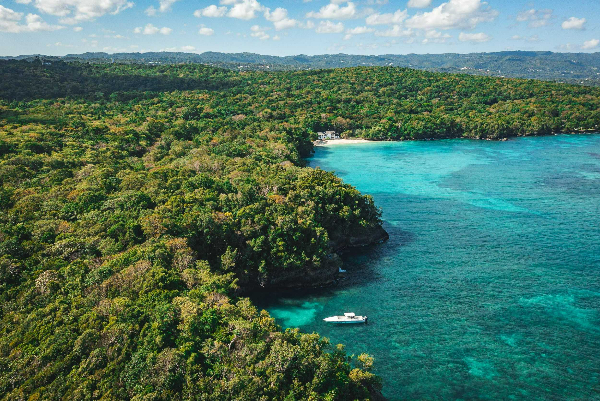
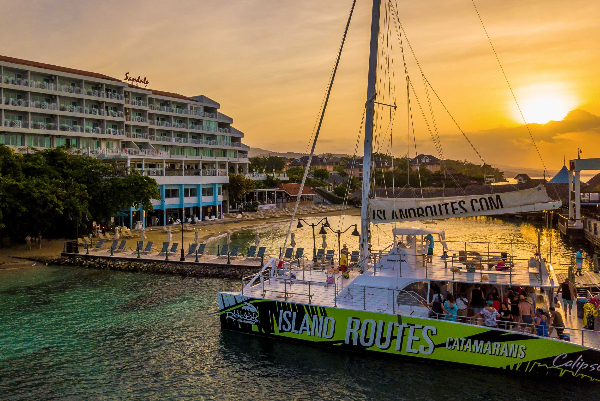
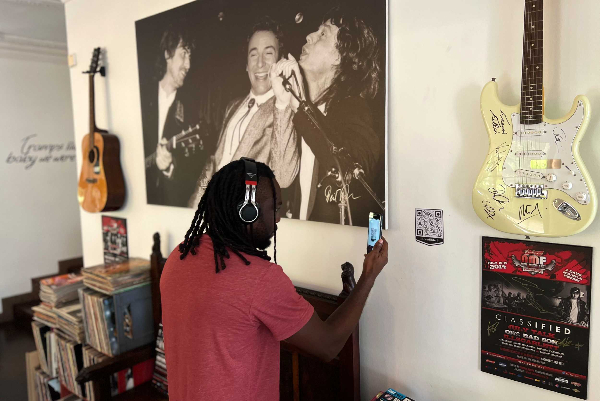
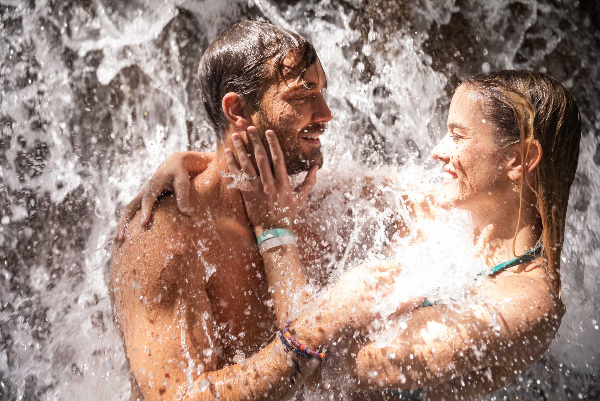
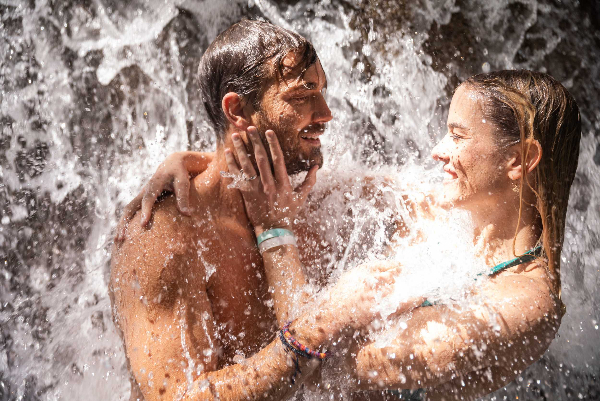
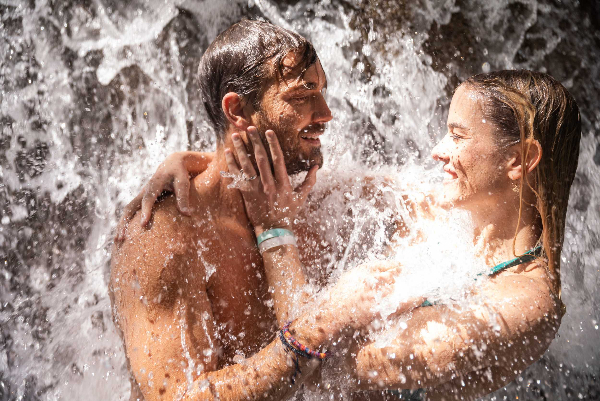
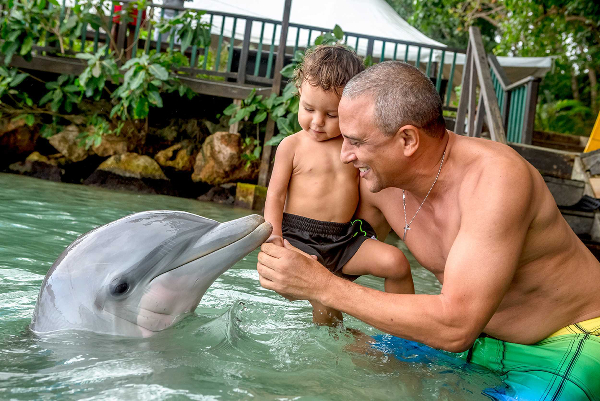
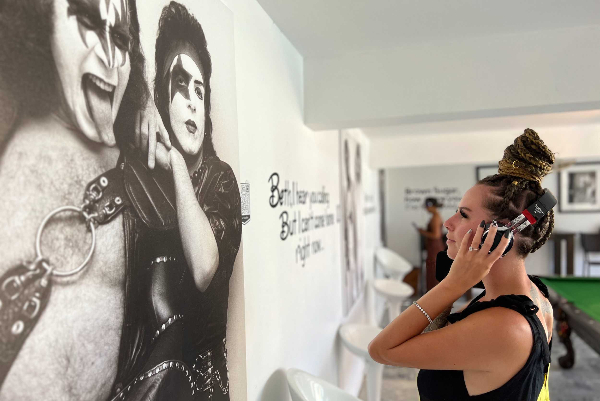
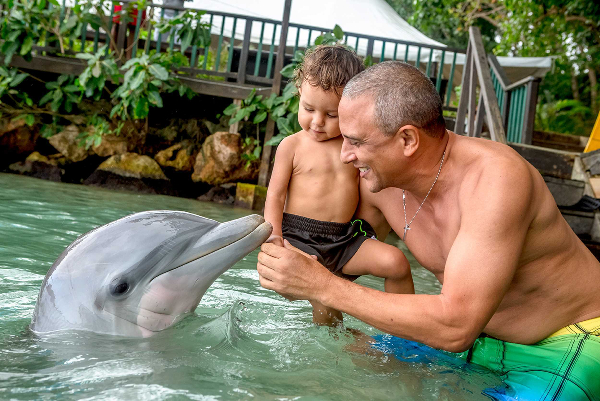
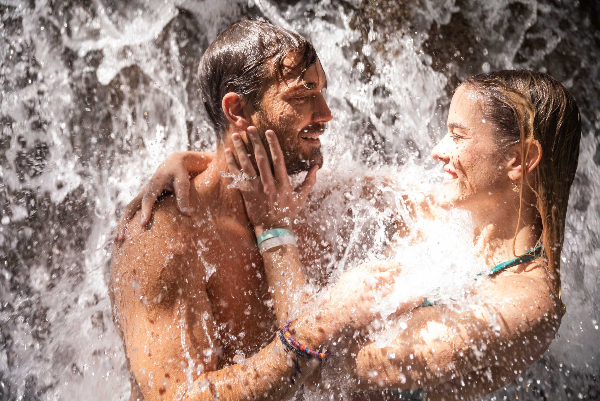
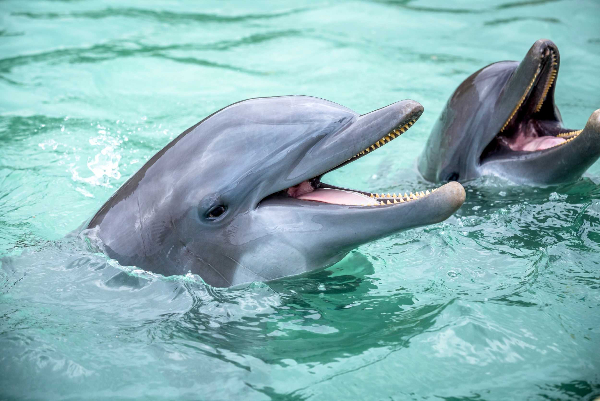
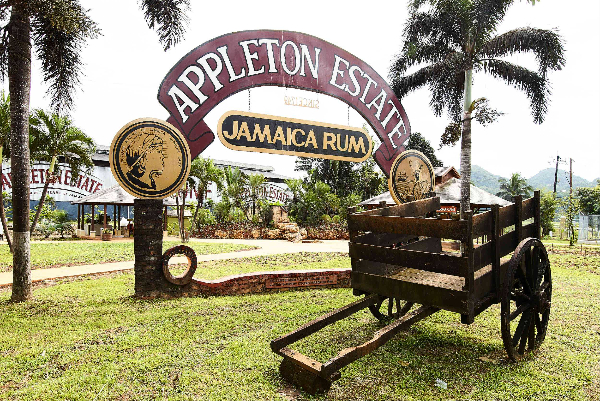
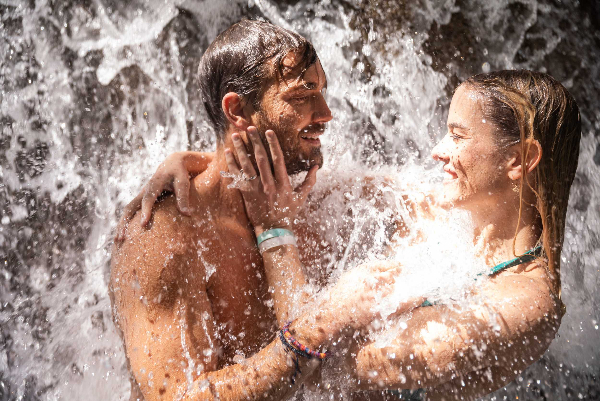
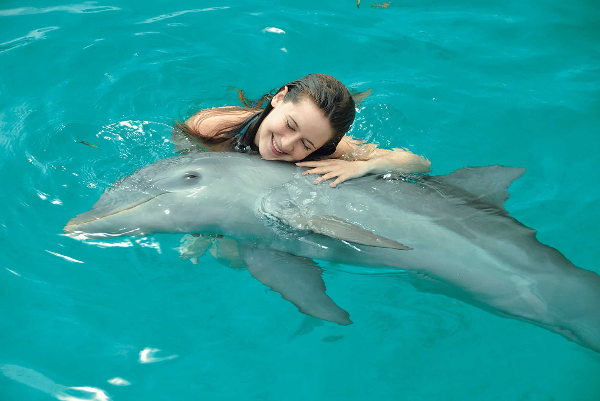
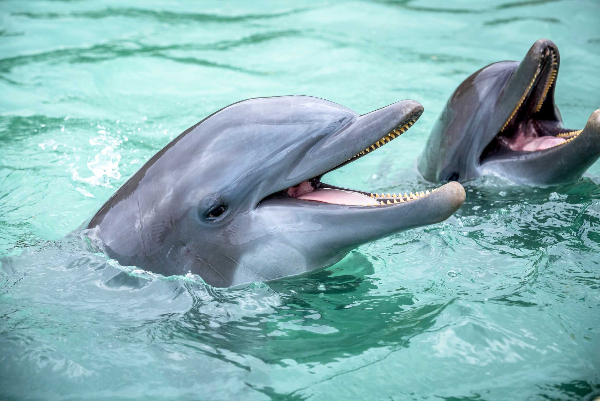
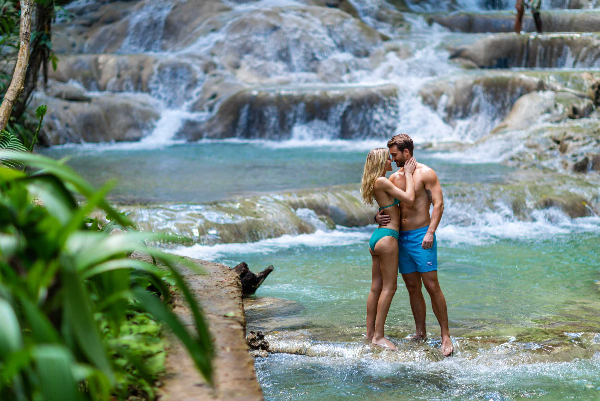
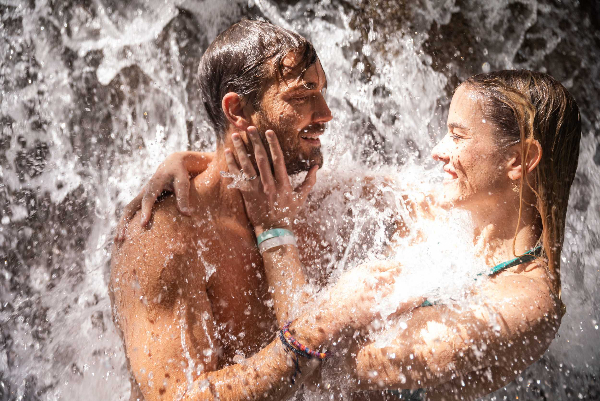
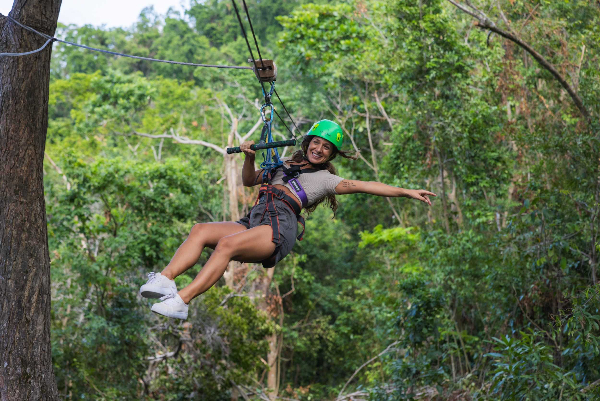
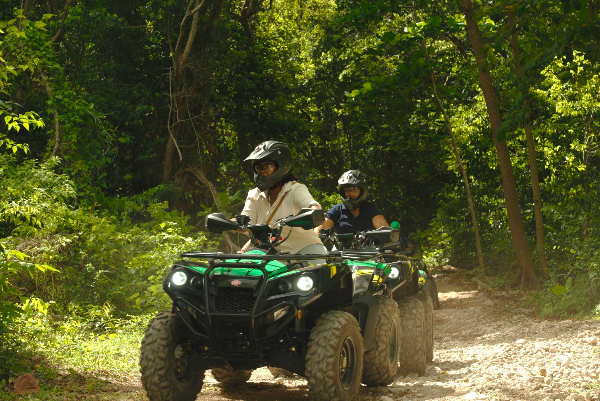
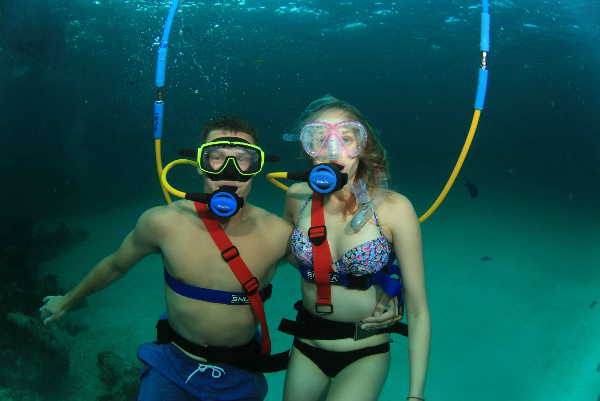
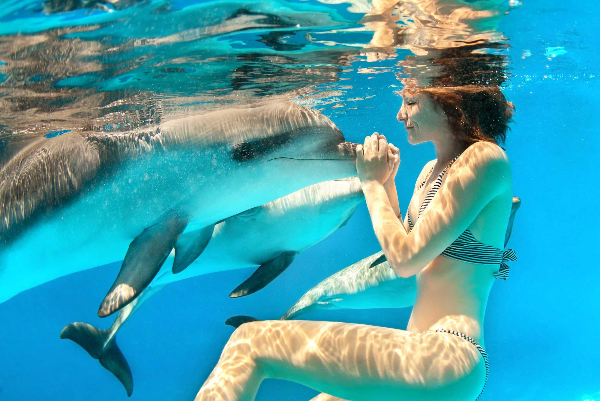
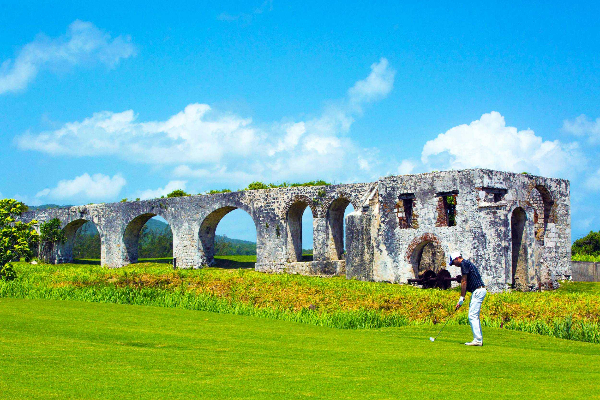
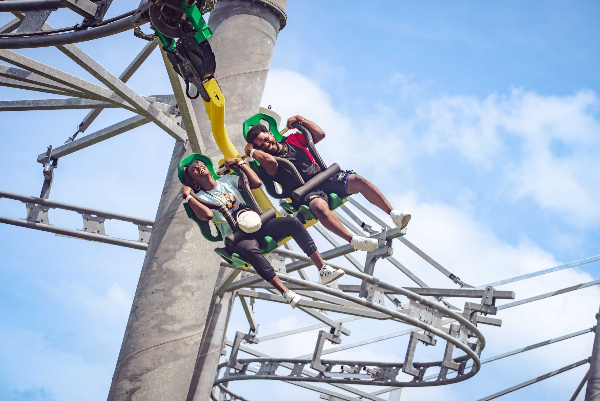
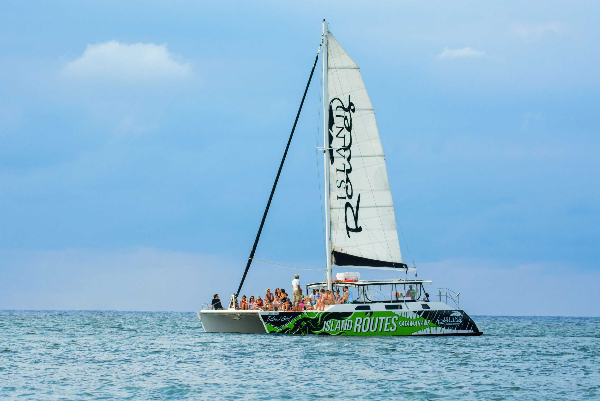
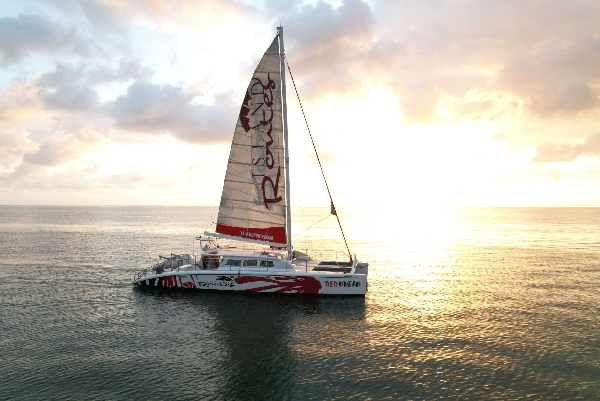
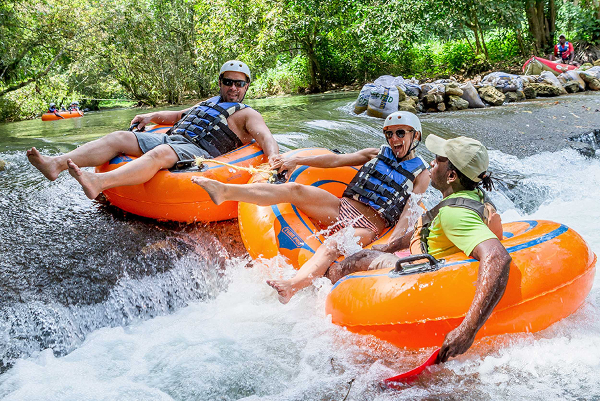
Four Different Beach Experiences in Jamaica
Jamaican Dollar (JMD) is the official currency, but USD is accepted at most resort and tourist transactions. Carry small JMD bills for tips, route taxis, and local food stands.
English is the official language. Jamaican Patois is the conversational layer you'll hear everywhere; English is what gets used for service interactions.
Same plug and voltage as the US and Canada. UK and EU travelers need an adapter; check your devices' input range before plugging in.
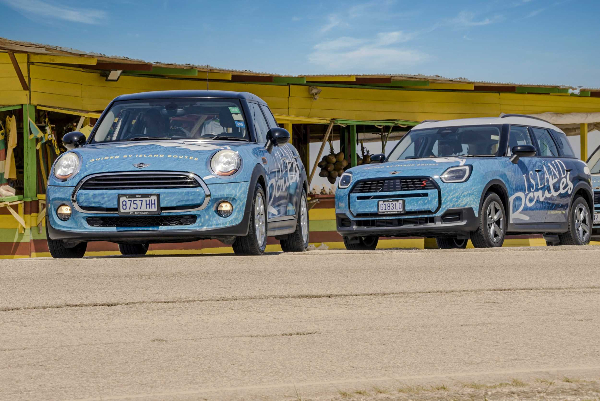
Jamaica drives on the left. If renting, ask for an automatic; mountain roads are narrow. Most visitors use private transfers or hotel shuttles instead.
Most all-inclusives include tips; à la carte and outside-resort dining expect 10–15%. Tip in USD or JMD; both work.
Tap water is generally safe in resort zones; bottled is the easy default. Always bottled in remote and rural areas.
Camouflage clothing is prohibited by law for civilians. Confiscation is rare for visitors but the law still applies — leave it home.
Resort zones (MoBay, Negril, Ocho Rios, Treasure Beach) are safe with normal precautions. Downtown Kingston solo at night is the line most travelers respect.
Jamaican Dollar (JMD) is the official currency, but USD is accepted at most resort and tourist transactions. Carry small JMD bills for tips, route taxis, and local food stands.
Jamaica sits at 18°N — UV index regularly hits 11+. Reef-safe sunscreen, reapply hourly on water, hat for kids.
Risk varies by season; DEET-based repellent works. Pregnant travelers should review current CDC guidance before booking.
Save 119 (police) and 110 (fire and ambulance) in your phone before you land. US embassy is in Kingston; Canadian high commission is also there.
Beyond the Twelve
Four More Things Worth a Longer Look
Four items genuinely need more than the 30-word card body — the documents to pack, the Hurricane Melissa recovery status for South Coast resorts, the health-prep short list, and the connectivity playbook. Each block is a longer-form companion to a card above; together they cover the items that matter before booking, not just before landing.
Passport must be valid for at least 6 months past your departure date. Return ticket required for entry. Customs declaration form is handed out on the plane; fill it before landing to skip a queue. Cash declaration threshold is USD $10,000 — anything under is fine without paperwork. Travelers from the US, Canada, UK, and most EU countries don't need a visa for stays under 90 days. Bring a paper copy of your reservation in case Wi-Fi is down at arrivals.
Hurricane Melissa hit the south coast in October 2025. Resort areas in Negril, Montego Bay, Ocho Rios, and Port Antonio reopened mid-November and are running normally. The South Coast — including the Treasure Beach area — is still rebuilding; some smaller properties remain closed or running reduced schedules. Confirm property status directly before booking a South Coast stay. North-coast adventure operators (Y.S. Falls, Pelican Bar boats) reopened on adjusted hours and are usable on day-trip itineraries.
No vaccines are required for entry from the US, Canada, UK, or EU. CDC currently recommends Hepatitis A and Typhoid for travelers planning rural or adventurous itineraries — both routine. Pack any prescription meds in their original bottles with a copy of the prescription. Pharmacies in resort zones stock most over-the-counter staples (ibuprofen, antihistamines, sunscreen) at higher prices than the US — bring what you reliably use. Travel insurance with medical evacuation is worth the line item.
Most resorts include Wi-Fi; speeds vary. Digicel and Flow are the two local cell carriers; both run the country with solid coverage in resort zones. eSIM works for most US and EU phones — provision before you fly to skip a SIM-card queue. International roaming via your home carrier is the easiest default if you only need data for navigation and check-ins. Heavy-data users (remote work, video calls) should pre-load a Digicel or Flow eSIM and budget for the data add-on.
Plan Smarter
Pair These Tips With Your Next Decision
Travel tips are the warm-up for the bigger trip-planning decisions — which airport to fly into, where to stay, what the cannabis legal landscape looks like, and what to do once you're moving. The four cards below route to those decisions in the order most first-time travelers reach them.
Land + Stay
Three international airports each route a different region. MBJ for the western crescent, KIN for Kingston and Port Antonio. The airport choice can save four hours of drive time.
Region + Stay Type
Five regions, four stay types, wide price spread between bottom and top. The where-to-stay page is the second decision after airport choice.
Legal Context
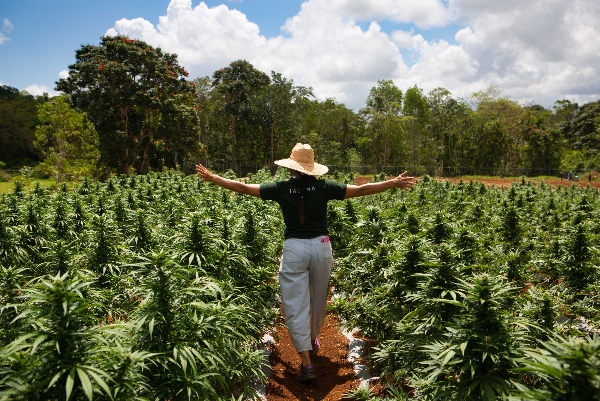
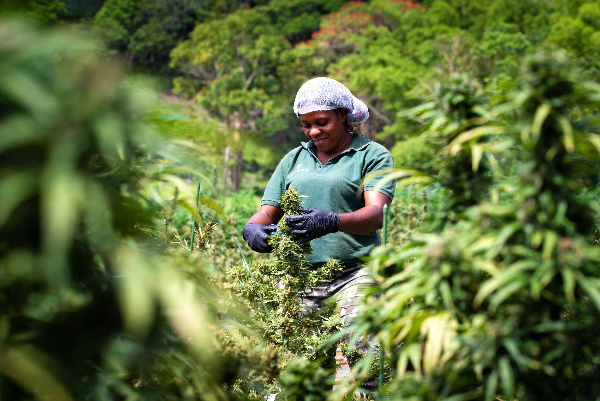
Cannabis decriminalization, the medical-card pathway, and the airport-export prohibition. Legal facts that didn't fit on a 30-word tip card.
Once You're Moving
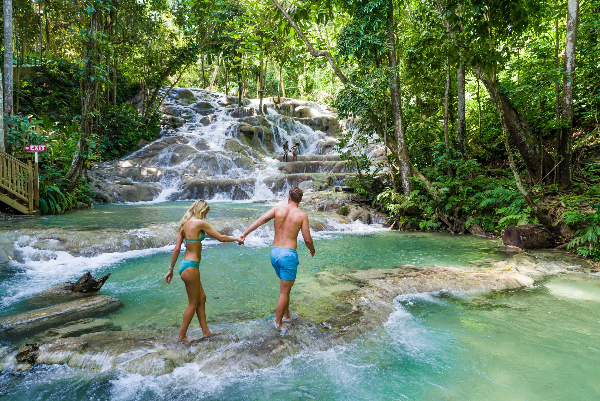
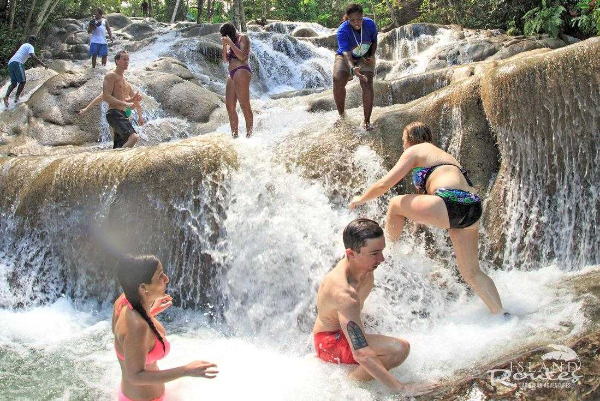
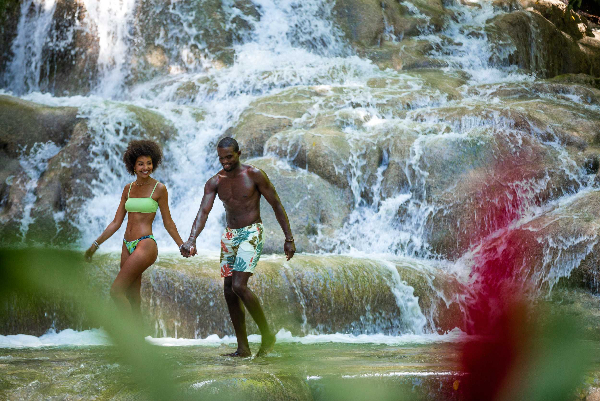
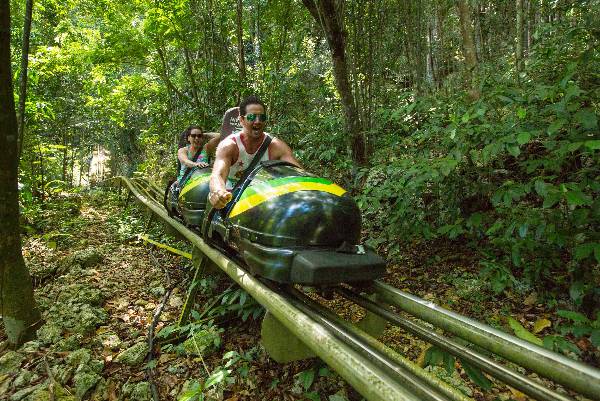
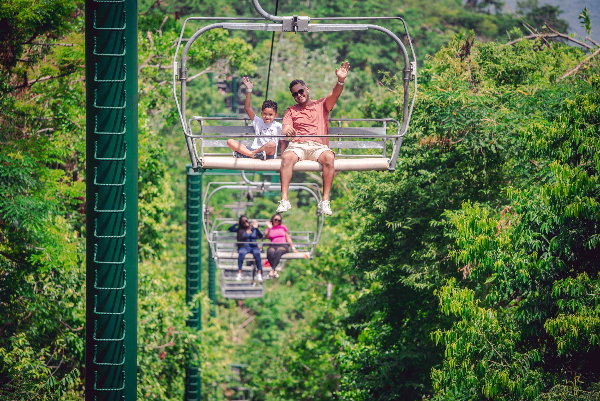
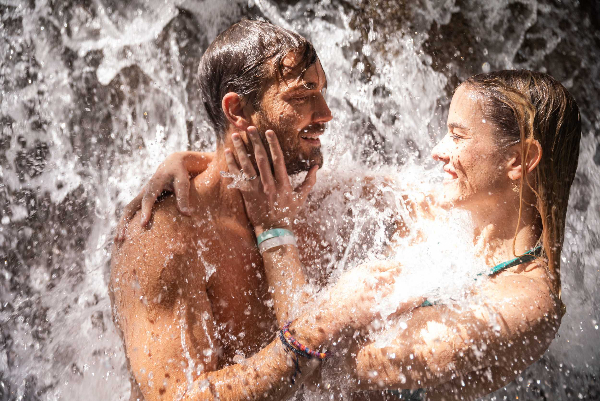
Once airport, stay, and ground rules are settled, the experiences hub maps the active-day options — Y.S. Falls, Mystic Mountain, Dunn's River, the Blue Lagoon area.
FAQ
Frequently Asked Questions
Do I need a visa to visit Jamaica?
US, Canadian, UK, and most EU citizens do not need a visa for stays under 90 days. Passport must be valid for at least 6 months past your departure date and you must show a return ticket at immigration. Visitors from countries that do require a visa apply through the nearest Jamaican consulate or embassy; processing typically runs 5 to 15 business days. Verify your country's status with the Jamaica Ministry of Foreign Affairs before booking.
Is Jamaica safe for tourists in 2026?
Resort zones — Montego Bay, Negril, Ocho Rios, Treasure Beach, Port Antonio — are safe with normal precautions, the same precautions that apply in any tourist destination. Downtown Kingston solo after dark is the consensus line most travelers don't cross. The current US State Department advisory rates Jamaica at Level 3, with specific neighborhood-level callouts; check the advisory before travel for the live picture, since the zones update.
What's the best time of year to visit?
December through April is the dry season — peak prices, peak crowds, peak weather. May through November is wetter and cheaper, with shorter rain bursts rather than all-day washouts. Hurricane season runs June through November with peak risk September-October; travel insurance is more important in those months. Shoulder seasons (late April–May and early November) are the value sweet spot if you can flex dates.
Can I use US dollars everywhere?
Most tourist and resort transactions accept USD without question — restaurants, tours, hotels, taxis from the airport. Local food stands, route taxis, small shops, and tips for housekeeping work better with small JMD bills. ATMs in resort zones dispense both currencies; the resort exchange rate is usually slightly worse than the bank rate. A practical mix is USD for big-ticket items and a small JMD float for everyday small purchases.
Do I need to tip if it's all-inclusive?
Most all-inclusive resort packages in Jamaica include tips, paid as a service charge built into the rate; an explicit tip is not expected at restaurants or bars on property. Housekeeping is the exception — USD $2 to $5 per day in the room is the resort-staff norm. Off-property dining and à la carte restaurants outside the resort follow the standard 10 to 15 percent. Confirm your resort's policy at check-in if unsure.
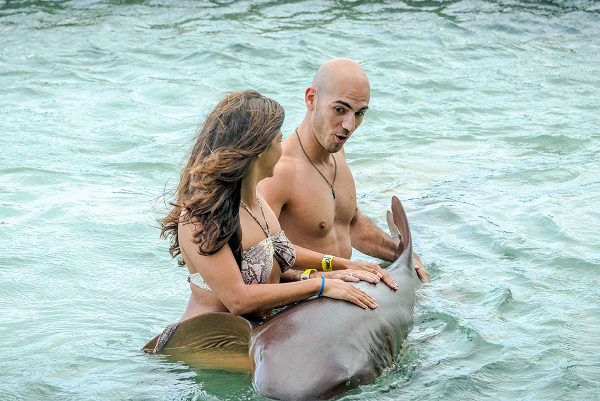
Do Jamaica beaches have sharks?
Encounters with sharks at Jamaica's beaches are rare. Most beaches have offshore reefs that act as natural barriers. Reef sharks (small, non-aggressive) are occasionally spotted by snorkelers but pose no real risk. The bigger ocean concerns are jellyfish (rare) and strong currents at exposed beaches like Boston Bay.
Island Guide
From The Blog
Travel tips, insider guides, and deep dives into everything Jamaica.