







































































Explore the Scene
One Mountain Range, One Famous Bean
Jamaica Blue Mountain Coffee is a protected name, not a style. Only coffee grown in the Blue Mountain region of four parishes (St. Andrew, St. Thomas, Portland and St. Mary), at roughly 3,000 to 5,500 feet, and inspected by Jamaica's coffee regulator can carry the label. Cool mist, steady rain and rich, well-drained soil slow the ripening, which is what gives the cup its famous balance: mild acidity, a smooth body and almost no bitterness.
Most of the crop is exported to Japan, so tasting it at the source is part of the appeal. The estates open to visitors sit on the slopes above Kingston, between one and two hours from the city on narrow mountain roads. A typical visit pairs a walk through the coffee fields with the processing story and a fresh-brewed tasting, often with views over Kingston Harbour on a clear morning. For rum estates, jerk and the island's best restaurants, see our Food & Drink guide.
Editor's Picks
Three Estates Worth the Mountain Drive
Craighton Estate
The Easiest Estate Tour · Irish Town · St. Andrew
~3,000 ft elevation
1.5 hr tour
Under 1 hr from Kingston
Tasting included
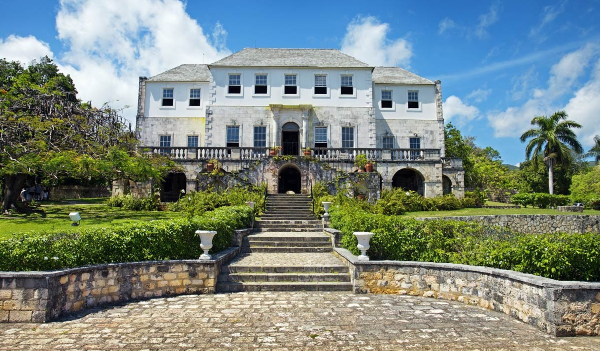
Craighton sits in Irish Town at around 3,000 feet, less than an hour's drive from Kingston, which makes it the most accessible Blue Mountain coffee tour on the island. The estate has grown coffee since the late 18th century, and its 19th-century great house looks out over roughly 300 acres of coffee terraces with Kingston spread out below.
The guided tour runs about 90 minutes: the history of coffee in Jamaica, a walk through the fields, how beans are graded, and a fresh-brewed tasting at the end. It's the estate most likely to take same-day visitors, and the one most tour operators use for half-day trips from Kingston and full-day trips from the north coast. Book a few days ahead in peak season (December to April).
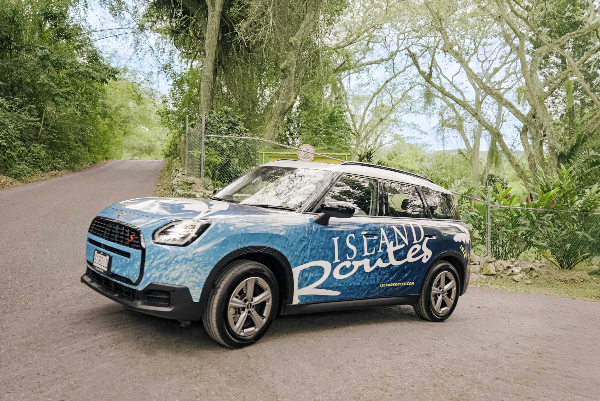
Book via: Craighton Estate directly · Island Routes (transfer + tour combo)
Also see: Kingston guide (pair the tour with a city day)
Old Tavern sits near Section on the north slope of the Blue Mountains, at roughly 4,000 feet, across Hardwar Gap from the Kingston side. The Twyman family grows, processes, roasts and packs its coffee on the property, which makes it one of the few true single-estate Blue Mountain coffees, and one of only a handful of estates producing the rare peaberry bean.
Visits are by prior arrangement only, and that's the point: this is the most personal, unscripted coffee visit in Jamaica, with a tasting of the estate's roast profiles and the family's own story of the crop. It pairs well with a scenic drive down the Buff Bay road to the north coast. Short on time? Old Tavern coffee is served at Strawberry Hill and at cafes in Kingston.
Old Tavern Coffee Estate
Family Single-Estate Farm · Section · North Slope
Book via: Old Tavern Coffee Estate directly (contact in advance, in any season)
~4,000 ft elevation
Twyman family
Rare peaberry
By appointment
Clifton Mount is a historic estate on the southern ridge of the Blue Mountains, run by the Sharp family since 1977 and one of the largest private exporters of Jamaica Blue Mountain Coffee. The estate house sits on a plateau framed by gardens, with mountain views on every side, and the farm also grows flowers commercially.
The best way in is the guided estate tour from Strawberry Hill: the Heritage Gardens of Cold Spring, the Clifton Mount farm walk, and an optional one-hour historic trail that climbs about 1,000 feet between the two old coffee properties. Plan on roughly five hours. It's the pick for travellers who want coffee and a proper mountain walk in the same morning.
Clifton Mount Estate
Heritage Estate + Trail Hike · St. Andrew · Southern Ridge
Book via: Strawberry Hill (estate tour with transport) · Island Routes
Also see: Port Antonio (continue down the north side of the mountains)
Sharp family since 1977
Historic trail hike
Half-day tour
Annual + Ongoing
Blue Mountain Coffee Festival + Coffee Houses
The Jamaica Blue Mountain Coffee Festival is the island's annual coffee celebration, usually held in late February or early March: estate booths, tastings, coffee-inspired food and live music. Recent editions have been staged at the Newcastle Parade Grounds high in the Blue Mountains, and the 2026 festival was held on March 7 at Hope Gardens in Kingston, alongside the Jamaica Food & Drink Festival. The season kicks off on January 9, Jamaica Blue Mountain Coffee Day, which marks the coffee's long trade history with Japan.
No festival on your dates? Kingston's coffee houses pour the real thing year-round.Strawberry Hillserves Old Tavern coffee with a view over the city, and the Mavis Bank Coffee Factory, founded in 1923 and the largest coffee factory in Jamaica, sits about an hour from Kingston in the Blue Mountain foothills.
Festival Pro Tip
The date and venue are confirmed each year, usually in January. Check before you book, and arrange transport up the mountain in advance: the roads are narrow and parking near the venue is limited.
In the Cup
What to Taste For
Blue Mountain coffee is prized for balance, not punch. Knowing what to look for makes the tasting at the estate far more rewarding, and helps you spot the real thing at home.
Mild Acidity
Slow ripening in the cool mountain mist gives a bright but gentle acidity, without the sharp, sour edge of many high-grown coffees. It's the first thing to notice on the first sip.
Smooth Body
A full, clean body with very little bitterness. Taste it black first: milk and sugar hide exactly what you're paying for.
Peaberry
A single, rounded bean that grows where two flat halves normally would. It's a small share of the crop, often sweeter and more concentrated, and Old Tavern is one of the few estates that sells it.
Roast Level
Medium roasts show off the bean's character; very dark roasts flatten it. If the estate offers more than one roast, taste them side by side.
Spotting the Real Thing
Look for "100% Jamaica Blue Mountain" and the official certification seal on the bag. "Blend" or "Blue Mountain style" means only part of the bag, or none of it, is the real thing.
Where to Buy
Buying at the estate (Craighton, Old Tavern, Mavis Bank) gets you the freshest beans and puts more money in farmers' hands. Duty-free shops at MBJ and KIN airports are the easy fallback. Buy whole beans and grind at home.
Why It Matters
The Story Behind Jamaica's Coffee
Coffee has grown in these mountains for nearly three centuries. Today the crop is protected by law, prized in Japan, and grown inside Jamaica's first UNESCO World Heritage Site.
1728: Coffee Arrives in Jamaica
Coffee was introduced to Jamaica in 1728 and found its ideal home in the cool, misty Blue Mountains. It grew in importance through the 19th century, when many small farmers began planting coffee on their own land, a tradition that still shapes the industry today.
A Name Protected by Law
"Jamaica Blue Mountain" is a certification mark. The Jamaica Agricultural Commodities Regulatory Authority (JACRA), formerly the Coffee Industry Board, inspects and certifies the coffee before export, and only beans from the defined growing area in St. Andrew, St. Thomas, Portland and St. Mary qualify.
Japan's Favourite Coffee
Japan has been the main buyer of Jamaica Blue Mountain Coffee since the 1950s and still takes most of the crop. January 9 is celebrated as Jamaica Blue Mountain Coffee Day, honouring that relationship.
Grown in a World Heritage Site
The Blue and John Crow Mountains are Jamaica's first UNESCO World Heritage Site, protected for both their rainforest and their Maroon heritage. Coffee farms sit on the lower slopes, so an estate visit is also a window into one of the Caribbean's most important natural landscapes.
Practical Tips
Visiting the Coffee Estates: What to Know First
Go Early
Mornings bring the clearest views and the coolest air. Cloud and mist often roll in by early afternoon, so book the earliest tour slot you can, especially if the view over Kingston is part of the plan.
Skip the Self-Drive
Blue Mountain roads are steep, narrow and winding, with few guardrails and tight bends. A tour with transport or a private driver is the easier and safer way up, especially from the north coast, where a coffee tour becomes a full day.
Pack a Layer
At 3,000 to 4,000 feet it's noticeably cooler than the coast. Bring a light jacket and a rain layer, and wear closed shoes with grip: farm paths are steep and can be muddy.
Book Ahead in Peak Season
December to April is peak season, so book Craighton and Mavis Bank a few days ahead. Old Tavern needs advance contact in any season. The harvest runs roughly September to April, the best time to see ripe red coffee cherries on the trees.
Get There
Coffee Estates From Your Base:Drive Times
Pick your base and use the matrix to find the closest estate and the realistic drive time. All times are approximate and depend on mountain road conditions.
| From | To | Drive Time | Notes |
|---|---|---|---|
| Kingston (KIN) | Craighton Estate | Under 1 hr | Easiest coffee tour on the island; half-day trip |
| Kingston (KIN) | Clifton Mount (via Strawberry Hill) | 1 hr+ | Half-day estate tour with optional trail hike |
| Kingston (KIN) | Old Tavern Estate | 1 hr 30 min+ | Over Hardwar Gap to the north slope; by appointment only |
| Ocho Rios | Craighton Estate | 2 hr 30 min+ | Full-day tour with transport recommended |
| Port Antonio | Old Tavern Estate | 2 hr+ | Via the Buff Bay road; arrange the visit in advance |
| Montego Bay (MBJ) | Craighton Estate | 4 hr+ | Long day; better as part of a Kingston stay |
Editor's verdict: From Kingston, Craighton is the easy half-day pick and Clifton Mount is the one to choose if you want a hike too. Old Tavern is worth the extra drive for serious coffee lovers who can book ahead. From Montego Bay or Negril, the Blue Mountains are best saved for a night or two in Kingston rather than a single long day.
FAQ
Frequently Asked Questions
Quick answers on Blue Mountain coffee: what makes it special, which estate to visit, and how to buy the real thing.
Why is Jamaica Blue Mountain Coffee so famous?
It's grown in a small, protected region of the Blue Mountains, where cool mist, high rainfall and rich soil slow the ripening of the beans. The result is a cup known for mild acidity, a smooth body and very little bitterness. Limited supply, strict certification and decades of demand from Japan add to its reputation.
Which Blue Mountain coffee tour is best?
Craighton Estate in Irish Town is the easiest and most popular, just under an hour from Kingston with a guided tour and tasting. Clifton Mount is best if you want a mountain walk as well. Old Tavern is the most personal visit, run by the family that grows and roasts the coffee, but it's by appointment only.
How far are the coffee estates from Kingston?
Craighton is under an hour from Kingston. Estates higher in the mountains or on the north slope, like Old Tavern, take around 1.5 hours or more, depending on the road. Most visitors go with a tour that includes transport rather than driving the mountain roads themselves.
Can I do a Blue Mountain coffee tour from Ocho Rios or Montego Bay?
Yes, but it's a full day. Tours from Ocho Rios typically run about eight hours with transport. From Montego Bay or Negril the drive is long enough that the Blue Mountains are better combined with a stay in Kingston.
How can I tell if Blue Mountain coffee is real?
Look for "100% Jamaica Blue Mountain" and the official certification seal on the bag, plus the name of the estate or producer. Products labelled "blend" or "Blue Mountain style" contain only part, or none, of the real coffee. Buying at an estate or at airport duty-free in Jamaica is the safest bet.
When is the Jamaica Blue Mountain Coffee Festival?
It's held once a year, usually in late February or early March, with the date and venue announced around January. Recent editions were held at Newcastle in the Blue Mountains, and the 2026 festival took place on March 7 at Hope Gardens in Kingston, alongside the Jamaica Food & Drink Festival. Check the official announcement before you book.
Where To Go
Explore Jamaica's Destinations
From the lively shores of Montego Bay to the untouched south coast, find the Jamaica that's right for you.
Island Guide
From The Blog
Travel tips, insider guides, and deep dives into everything Jamaica.